Published in Job Tips
How to Get Your Dream Job Without Experience – 10 Proven Tips
Actionable tips on how to get your dream job by highlighting skills, building confidence, and standing out without experience.
SJ
By SH Jhuma
8 min read
Finding your dream job without experience is like climbing a mountain without gear. Right?
Not sure what’s holding your search back? Take the 60-second quiz and get your guide →
Well, not exactly!
Securing your dream job without prior experience is entirely possible. Seriously! In fact, 65% of employers say they hire candidates based on skills and potential, not just past roles. Even if they have never worked in that field, people can land great jobs by showing they can learn fast. This guide will provide expert-backed, practical strategies to help you stand out from your competitors. Besides, you will discover your hidden strengths, create resumes, cover letters, and portfolios that attract employers.
So, let's convert "no experience" into an advantage, and you'll land interviews, offers, and your dream job.
How to Get Your Dream Job Even Without Experience - 10 Proven Tips
Some people start careers without any prior experience and still impress employers. Actually, it's all about how you present yourself, what you have to offer, and how you prove you deserve a chance. Here are tips on how to find your dream job that work for anyone, no matter how experienced you are:
Tip 1: Change Your Mindset
First, it's essential to consider how you see yourself before applying. Many people looking for a job often lack experience. They believe that they have nothing to offer a potential company. That is not true at all.
A new study shows nearly 80% of hiring managers value soft skills equally with technical expertise. Therefore, problem-solving, easy communication, and proper skills are similarly valuable as experience.
Some Hidden Experiences You Might Overlook:
School projects: These demonstrate teamwork, along with research and presentation skills.
Volunteer work: Demonstrates a person's sense of responsibility, organization, and leadership.
Hobbies: Commonly considered a form of creative skills, as well as discipline and consistency.
Life challenges: Help you control a budget, organize events, and develop problem-solving skills.
If you view your experiences as assets rather than irrelevant, you'll stop feeling under qualified and start feeling confident.
Tip 2: Focus and Offer Transferable Skills
Your transferable skills are the bridge between your past and your dream job.There are mainly two skills:
Soft Skills – Communication, leadership, adaptability, teamwork.
Hard Skills – Computer programs, design tools, languages, and data analysis.
Now, match these to job postings you’re interested in.
Tip 3: Build a Powerful Personal Brand (Online and Offline)
Usually, employers search online before calling candidates. If your name shows nothing relevant, you lose a chance to impress. That’s why you should optimize your social profile properly. Below, you'll find some steps to optimize your social profile:
Step 1: Optimize LinkedIn
Use a headline that describes the role you want, not just “student” or “job seeker.”
Add a summary highlighting your skills, career goals, and enthusiasm.
Include relevant coursework, certifications, and projects.
Step 2: Improve Social Profiles
Recruiters often check other platforms. Make sure your public accounts are professional and consistent with your career goals.
Step 3: Create a Portfolio or Website
Even if you're starting, you can showcase:
Class projects
Volunteer work
Personal projects
A personal website acts as your digital handshake, proving you’re proactive and organized.
Tip 4: Optimize Your Resume for Both Humans and AI
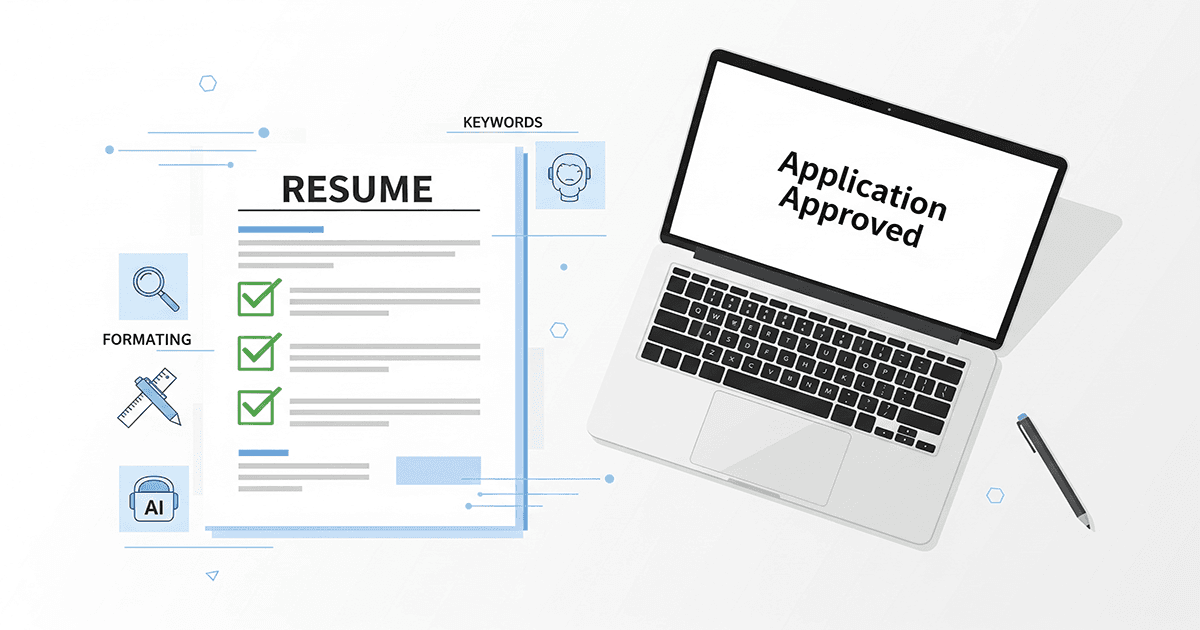
Most companies use Applicant Tracking Systems (ATS) to scan resumes. If your resume isn’t ATS-friendly, it might never be seen by a human.
How to Write a Skill-Based Resume
Use a functional format, highlight skills at the top.
Include relevant keywords from job descriptions.
Show quantifiable outcomes: “Organized a charity event with 150 attendees,” not “Helped with event planning.”
Also, use action verbs:
Words like “managed,” “developed,” “created,” and “coordinated” make your experience sound more active and professional.
Quick Tip: Review 5–10 job postings in your target field and collect repeated keywords. Use them naturally throughout your resume.
However, if building a resume from scratch feels overwhelming, try using an AI-powered resume builder.
Many of these tools also score your resume for ATS compatibility and suggest improvements in real time. Using these tools saves time and increases your chances of passing the initial digital screening.
These resume tips for dream job applications ensure both ATS and hiring managers notice your potential.
Tip 5: Write Customized, SEO Friendly Cover Letters
A great cover letter can make up for a lack of experience if it's personal and targeted to the job. This is your chance to speak directly to the hiring manager and explain why you're a strong fit.
How to Write One That Works
Mirror the language of the job posting. If they mention “collaboration” or “initiative,” work those words naturally into your letter.
Share a brief story about a project, challenge, or success that showcases your abilities.
Connect your skills to their needs so they can picture you in the role.
Example:
“While leading my university debate club, I developed strong public speaking and event organization skills. I’m excited to bring the same energy and attention to detail to your communications team.”
You can also use an AI cover letter generator tool for Speed and Accuracy.
Placed is one of the best auto cover letter generator tools. You enter the job title, paste the job description, and add a few personal details about your projects.
Within seconds, it produces a tailored cover letter that:
Highlights your most relevant skills
Mirrors the language from the job posting
Tells a short, compelling story about your experience or projects
Shows how you can meet the employer’s needs
Additionally, you can use it to apply automatically to jobs, saving time while keeping your applications personalized. It makes it an innovative tool to increase your chances, especially when you're starting without traditional experience.
These AI tools also allow you to automatically apply to job listings on platforms like LinkedIn or Indeed. It saves time and helps you send out more targeted applications without losing quality.
Tip 6: Network Strategically (Even as an Introvert)
Networking isn’t just for outgoing people. It’s about building genuine relationships over time.
Where to Start:
Online communities related to your field
Industry forums
Alumni groups on LinkedIn
Professional associations (many have free student memberships)
Reach out to professionals and request a short conversation to learn about their career path. Most will be happy to share advice if you’re respectful of their time.
Tip 7: Build Experience Proactively (Projects, Volunteering, and Internships)
You don’t need permission to start gaining experience.
Examples:
Open source projects if you’re in tech
Community events for event planning
Freelance gigs through platforms like Fiverr or Upwork
Nonprofit volunteering in marketing, admin, or outreach
Even without a formal role, these projects serve as stepping stones to your ideal job, providing tangible evidence to showcase in interviews.
Tip 8: Prepare and Practice for Interviews (Even With No Experience)
When you land an interview, it’s normal for employers to ask questions like:
“Tell me about a time you overcame a challenge.”
“Why should we hire you with no experience?”
You can answer these confidently using the STAR Method:
Situation – Describe the context.
Task – Explain your responsibility.
Action – Share what you did.
Result – End with the outcome.
When you land an interview, focus on job interview tips like using the STAR method and tailoring your stories to the role.
Tip 9: Get Skill-Based Certifications and Take Online Courses
Even if you don't have work experience, learning new skills shows you're motivated. Employers notice candidates who take the initiative to grow on their own.
Some high-value, low-cost, or free certifications include:
Google Analytics – Great for marketing or data roles
HubSpot Content Marketing – For digital marketing skills
Coursera Project Management – Shows organization and planning abilities
LinkedIn Learning Excel for Business – Essential for many office roles
Add these certifications to your resume and LinkedIn profile. They give you credibility and can help you stand out from other candidates. These skills are valuable career advice for beginners because they demonstrate your willingness to learn to employers.
Tip 10: Stay Persistent and Optimize Your Job Search
Usually, job hunting can feel slow and frustrating, but it's important to stay persistent. Studies, like one from Harvard Business Review, show that persistence is one of the strongest predictors of job search success.
Use a Job Search Spreadsheet:
Track job titles, companies, application dates, and follow-ups.
Note which methods (LinkedIn outreach, referrals, or direct applications) led to interviews.
It helps you focus on strategies that actually work.
If you get rejected, politely ask for feedback. Also, update your resume or interview answers based on what you learn.
All in all, these job application tips for beginners help you apply more effectively and improve with each submission.
Last Say
Your dream job can be yours even if you don't have experience. View job hunting as a skill you can continually improve. Focus on what you can offer, not what you lack. Your resume and cover letter should tell a clear story about your strengths and potential. Use the right keywords so both hiring managers and ATS systems notice you.
However, we've shared 10 proven tips to help you land your dream job, even if you have no experience. These steps work if you stay focused and act. Remember that employers want potential, not just a past title. Every application, conversation, and skill you gain moves you closer to your goal.
Follow these tips consistently and stay persistent. Your first “yes” could come sooner than you think, and it might just be the start of a career you love.
Ready for your next step? Join the waitlist: take the 60-second quiz →
Related Articles
AI Resume Builder
How to Make an ATS-Friendly Resume [A Complete 2025 Guide]

Job Tips
How to Handle Job Rejection & Stay Motivated in Your Job Search
AI Tools
How to Get Hired with AI Tools – Proven Guide for Job Seekers
AI Tools
How to Beat the AI Resume Scanners in 2025: A Step-by-Step Guide
AI Tools
How to Prepare for Job Interview: The Ultimate Guide for 2025

AI Job Search
How to Use AI for Job Search: Resume & Interview Success Guide

AI Tools
6 Common Misconceptions About AI: Myths vs. Facts
Job Tips
Best Job Hunting Tips for Beginners: A Complete Guide
AI Tools
How an AI Notes Generator Helps You Save Time and Productivity
AI Tools
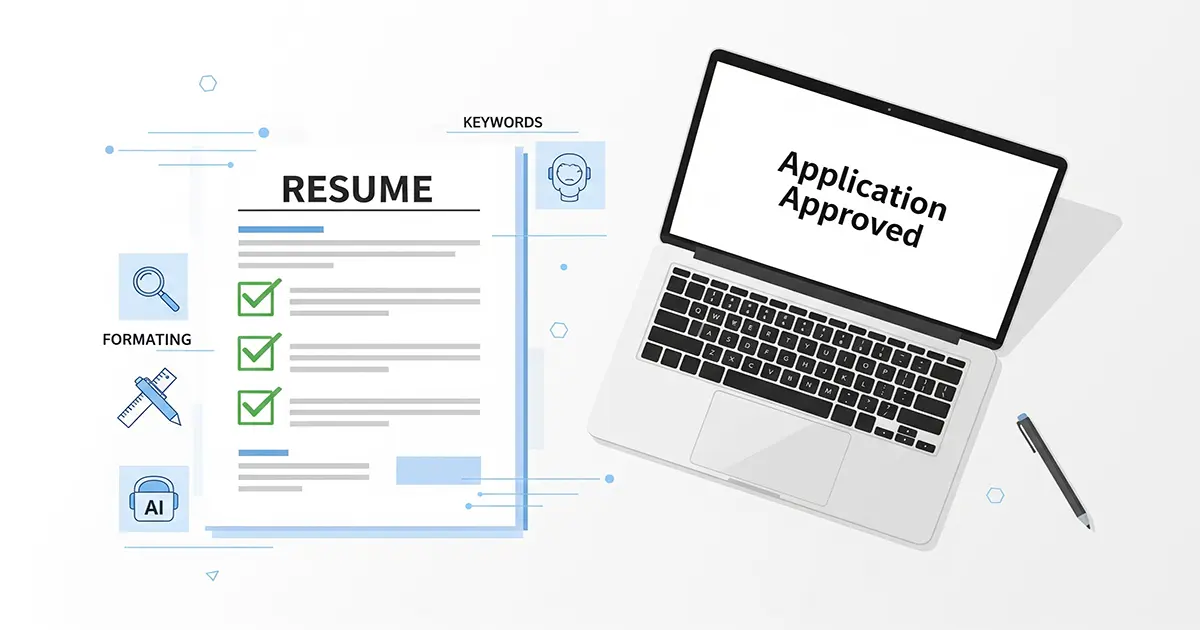
Unlocking Your Career Potential: The Best AI Tools for Job Seekers in 2024
Job Tips
Mastering the Modern Job Search: Essential Strategies for 2024

AI Tools
Best AI Tools for Job Search: A Strategic Guide

Job Tips