AI is going to steal your job! It is a conscious creature that will take over the world! Every day, you will see a new headline about artificial intelligence and how threatening it is to mankind. But that couldn’t be far from the truth.
AI is one of the most transformative technologies of our time, but several common misconceptions about AI have clouded the overall picture.
This guide will debunk some of the most common AI misconceptions.
Besides, you will learn what AI can and cannot do. Read the complete guide to know how to turn AI from a career-threatening Frankenstein into a useful tool.
Most Common AI Misconceptions Debunked
As AI has evolved rapidly, most of us haven’t had enough time to digest the real capabilities and limitations of AI.
It led to a mountain of myths about what AI can and cannot do. But today, you are about to learn something more fascinating than those myths.
Myth 1: AI will replace all human jobs
It is one of the most widespread AI automation myths out there. Is it true? Well, part of it is true. AI has brought both automation and augmentation.
- Automation: AI will automate repetitive and dangerous tasks where some humans may lose their roles, but it won’t replace all humans.
- Augmentation: This is the most interesting aspect, where humans utilize AI to perform their jobs more efficiently and effectively.
AI Will Create a Lot of New Jobs
While routine and clerical tasks can be handled by AI, the industry will need more AI trainers, data scientists, prompt engineers, etc.
Almost all of these roles demand human skills like creativity, critical thinking, emotional intelligence, and interpersonal communication.
So, humans with these skills might switch to new roles, but won’t be jobless because of AI.
What Should You Do?
Practice combining human skills with AI to learn new things, prepare for new roles, and be more efficient. Upskill yourself to get hired in new roles. Read this guide on how to get hired with AI tools for proven techniques.
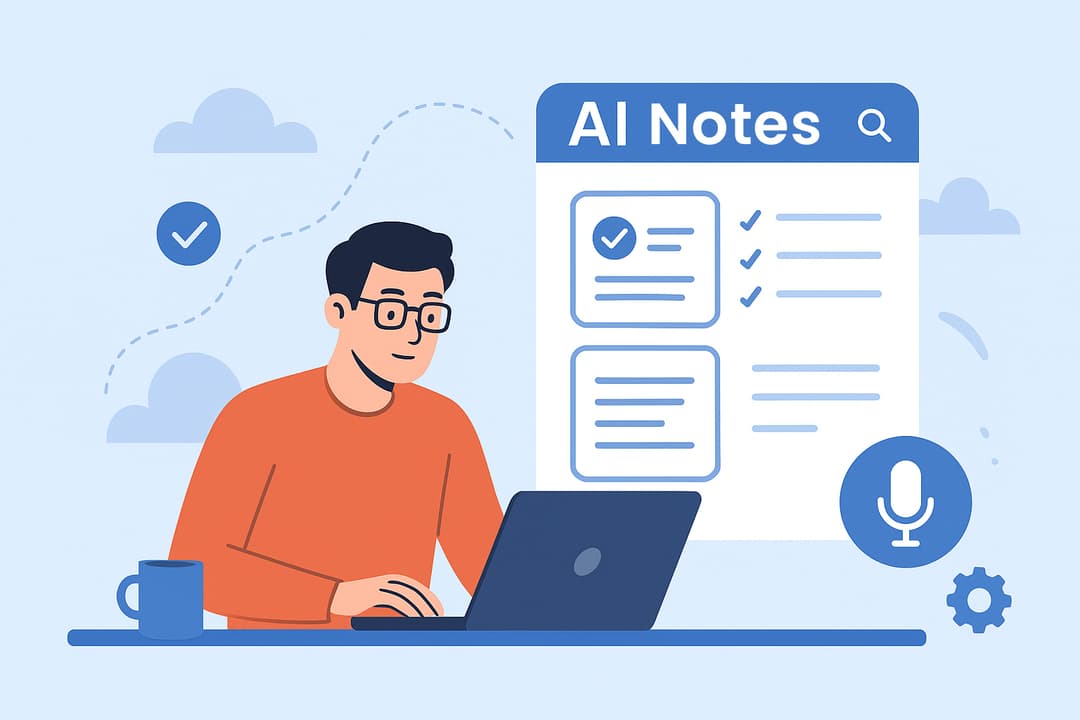
Incorporate useful AI tools into your daily workflow. For example, avoid taking manual notes and switch to an AI Note Tracker Tool for taking and organizing notes.
Myth 2: AI thinks and understands like humans
Science fiction movies have taken this myth so far. But this is a complete myth. AI can’t think or understand like a human. It can’t learn things the way you do.
So, how does AI learn new things? Simple, it analyzes data, identifies patterns, and creates outputs based on correlation.
Remember:
AI has no self-awareness or sense of existence. It doesn’t experience emotions like happiness, sadness, fear, or affection like humans. AI has no common sense. It completely relies on data fed during training.
AI Doesn’t Understand, It Imitates
You might have heard about the famous Turing Test, named after mathematician and computer Scientist Alan Turing. It is used to determine if a machine has the intelligence equivalent to a human through conversation.
The test results show that:
AI can only mimic the conversation styles and sophistication of humans. It doesn’t have the actual capability to comprehend at the level of humans.
When AI tools or machines respond in natural language or show complex behaviors, we start thinking that the tool has human qualities.
For example, we often think that voice assistants or chatbots can comprehend everything like humans.
But, they can’t.
What Should You Do?
Be aware that AI can’t think, understand, or learn like humans. At least not at this time.
Myth 3: AI is unbiased and objective all the time
You might have logically deduced this. As AI relies on data and algorithms, it must be perfect every time. But that misconception is dangerous.
AI systems depend on training data. If the training data has errors or biases, the AI system will not only replicate but also amplify the errors or biases. Even human errors in designing AI systems impact the output of AI systems.
Most AI systems have these three biases:
- Data Bias: The training data can have biases like discrimination, false representation, etc. AI will learn from these biases.
- Algorithmic Bias: Even the slightest mistakes in the algorithm design will cause major biases.
- Human Bias: The choice of algorithm design and training data is often finalized by humans. If those choices have biases, the AI will inherently receive them.
Examples of AI Biases
- Facial Recognition: Studies show that some facial recognition systems
- Hiring Algorithms: AI tools used for screening resumes have shown biases against certain demographic groups based on historical patterns.
What Should You Do?
Don’t take every output of AI for granted. Accept that AI systems can make mistakes due to biases.
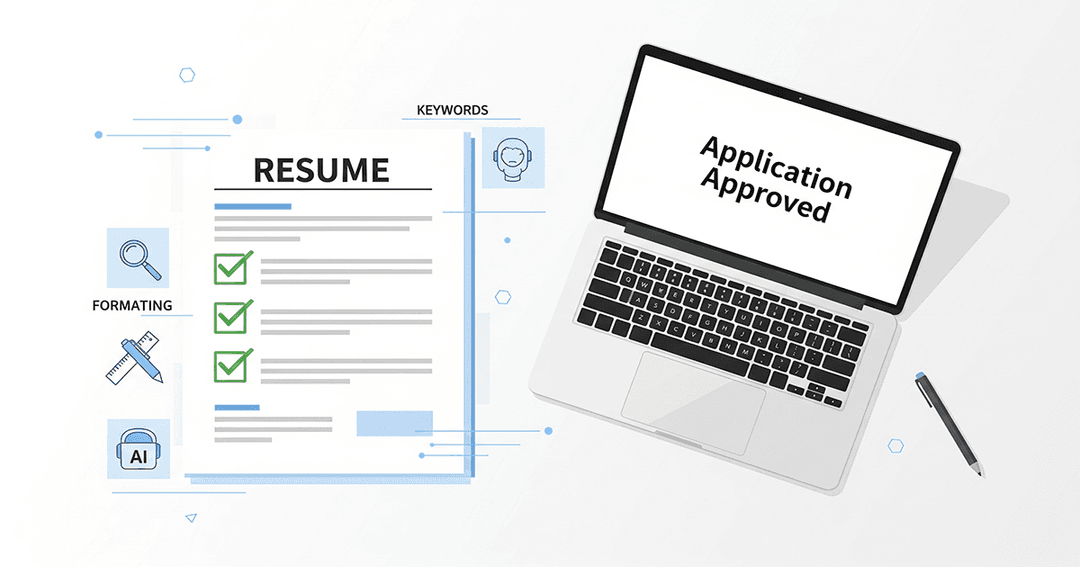
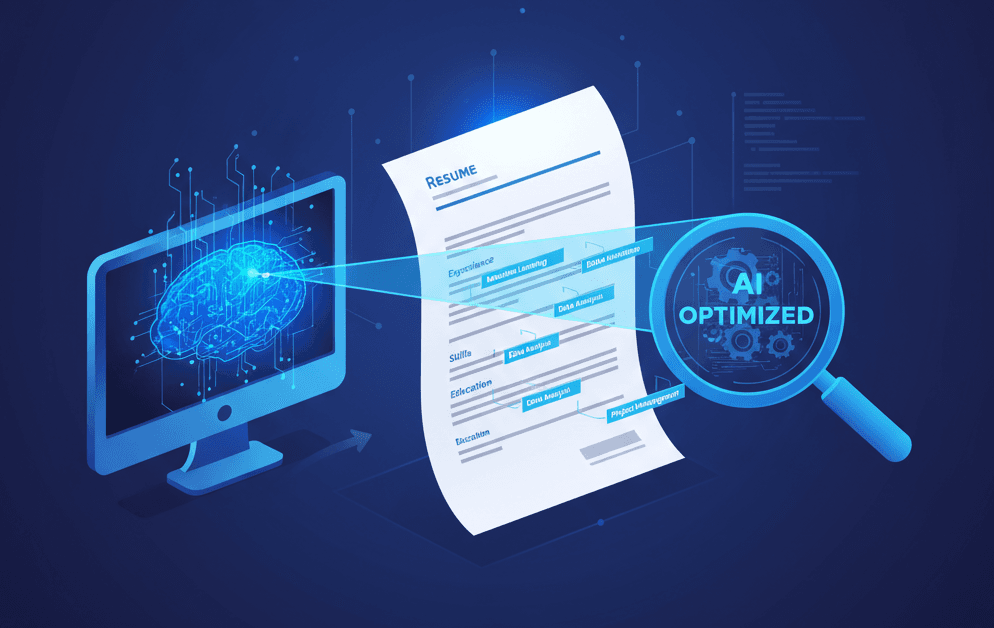
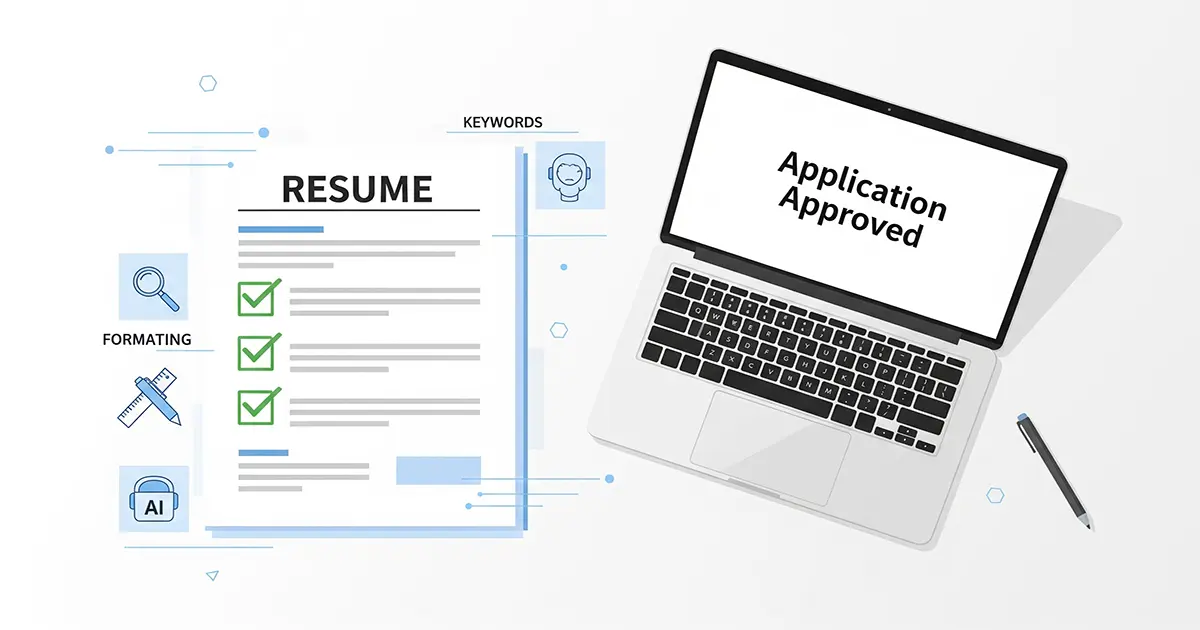
For crucial tasks, like job applications, optimize your resume for a better chance of accurate screening. Using an
Myth 4: AI is only for large organizations
Not true at all. Whether you run a small or medium-sized business or want to use AI for personal purposes, you can do it easily.
You can start using AI for personal development, interview preparation, or even for your new job. AI tools like ChatGPT, Gemini, Grok, Nano Banana have made learning and upskilling much easier.
What Should You Do?
Take advantage of the most advanced AI tools around you. Explore their features and check how you can use these tools in your favor, both in your personal and professional lives.
Myth 5: We cannot control AI
It is one of those artificial intelligence myths that originates from fear. The fear that we don’t completely understand how AI makes decisions or generates outputs.
In reality, the process of AI decision-making isn’t that shady.
- Explainable AI or XAI: It focuses on developing AI models that can explain the reasons behind their decisions.
- Decision Trees: AI models can provide clear, step-by-step logic on why they decided something.
- Testing of AI: Training data, algorithms, and outputs can be tested for errors, biases, or unusual behaviors.
While it is true that AI can independently choose what part of the training data it should use, humans have control over the data and algorithms used to build complex models.
Sorry to burst your bubble, but we haven’t entered into a world yet where AI is an out-of-control genie. It is still a system that can be designed and modified as needed.
What Should You Do?
If you aren’t designing or building AI systems, you don’t have much to do. Just relax and keep in mind that AI is still controllable.
Myth 6: AI is a single technology
The last myth for today, but it is one of the most common myths about artificial intelligence. AI isn’t a single technology; it’s an umbrella term.
It covers a vast range of tools and technologies, including machine learning, natural language processing, computer vision, and more.
- Machine Learning: It is the process of training systems using labeled and unlabeled data through trial and error without explicit programming. Deep learning is a part of machine learning that focuses on neural networks.
- Natural Language Processing: This technology allows computers to understand, interpret, and generate human language
What Should You Do?
Grab the concepts of various technologies covered by AI. Explore how various models, such as generative AI or predictive AI, can help you create useful content or identify patterns.
AI Facts vs. Myths Recap
Take a glance at the myths we busted today.
Myth: AI will destroy jobs. Fact: AI automates some tasks but creates new roles.
Myth: AI thinks like humans. Fact: AI learns from patterns.
Myth: AI is always right. Fact: AI can be biased.
Myth: Not everybody can use AI. Fact: AI tools are accessible to everyone.
Myth: AI is uncontrollable. Fact: We can control AI.
Myth: AI is a single technology. Fact: AI is a diverse field with many technologies.
Use AI strategically
Don’t worry about myths or rumors about AI. A much better alternative is to use AI in your favor, to do things that you couldn’t do easily earlier. Example? Use AI for achieving your goals.
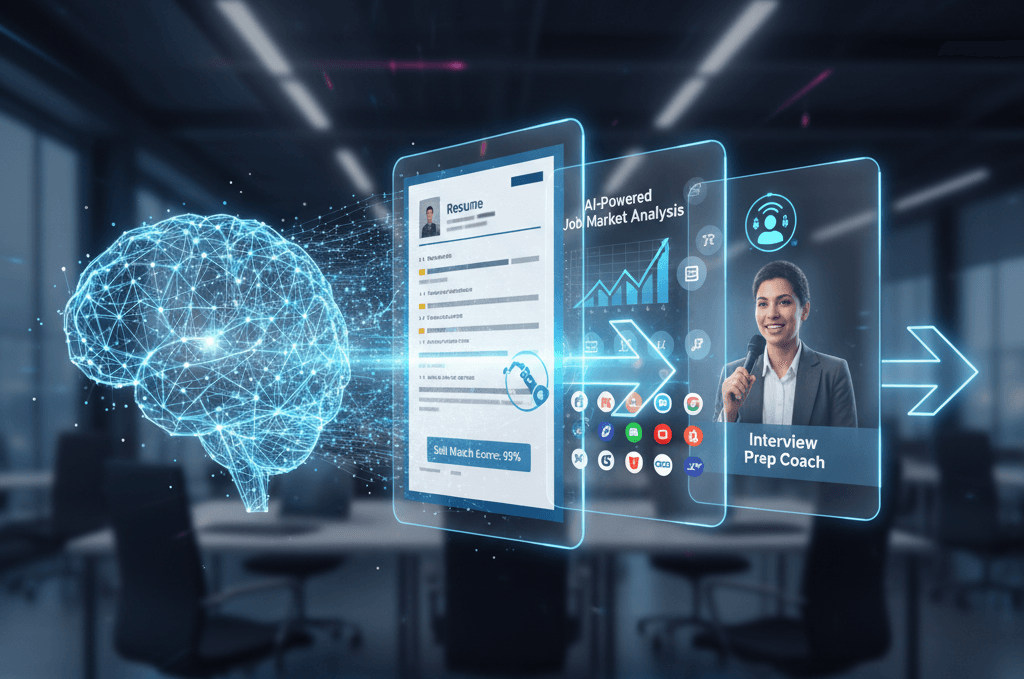
How? Learn new skills using AI. Create smart notes with AI-powered tools for studying better. Prepare for your next job interview using AI interview companions.
Polish your resume using AI tools. There is much more you can do with AI to achieve your life goals.
Why bother with baseless myths when you can actually try AI for yourself? Try improving your life using AI and share this guide with your friends.