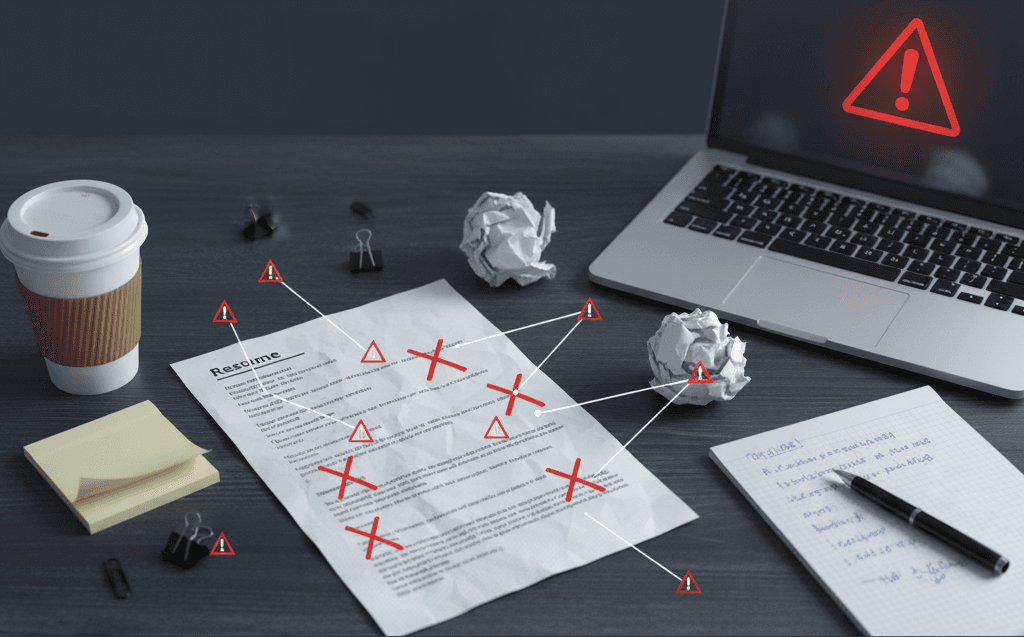
Are your job applications consistently met with silence? You might be making common resume blunders that are silently sabotaging your chances. In today's hyper-competitive job market, your resume is often the only chance you get to make a first impression. Even a minor oversight can lead to your application being overlooked by hiring managers or, worse, rejected by Applicant Tracking Systems (ATS).
At Placed, we understand the frustration of applying for countless jobs without hearing back. That's why we're diving deep into the most critical resume blunders job seekers frequently make. By identifying and rectifying these mistakes, you can significantly increase your chances of landing that coveted interview. Let's transform your resume from a rejection magnet into an interview generator.
Beyond Typos: The Hidden Resume Blunders
While spelling and grammar errors are obvious resume blunders, many job seekers overlook more subtle yet equally damaging issues. These aren't always easy to spot on your own, but they send clear signals to recruiters that you might not be the right fit. Understanding these hidden pitfalls is the first step toward crafting a truly impactful resume.
Formatting Fails: The Visual Resume Blunders
Your resume's appearance is its first impression. A poorly formatted resume can be an instant turn-off, regardless of your qualifications. Recruiters often spend mere seconds scanning a resume, and if it's cluttered, inconsistent, or hard to read, it's quickly discarded.
Inconsistent Formatting: Ensure your fonts, font sizes, bullet points, and spacing are uniform throughout the entire document. Mixing different styles looks unprofessional and disorganized.
Dense Text Blocks: Avoid large paragraphs of text. Recruiters skim, so use bullet points to highlight achievements and responsibilities. Each bullet should be concise and impactful.
Irrelevant Design Elements: While creativity is good, over-the-top graphics, excessive colors, or unconventional layouts can hinder readability and ATS compatibility. Stick to clean, professional designs.
Lack of White Space: A resume crammed with information is overwhelming. Ample white space makes your document easier on the eyes and helps key information stand out.
ATS Antagonists: Resume Blunders That Get You Screened Out
Applicant Tracking Systems (ATS) are the gatekeepers of modern hiring. Many qualified candidates are rejected before a human even sees their resume, all due to ATS-unfriendly resume blunders. Understanding how ATS works is crucial for navigating this hurdle.
Missing Keywords: ATS scans for specific keywords from the job description. If your resume doesn't contain these, it's unlikely to pass. Tailor your resume for each application by incorporating relevant terms.
Incorrect File Format: Always submit your resume in the format requested (usually PDF or Word Doc). Unusual formats like JPEG or Google Docs links can be unreadable by ATS.
Fancy Headers/Footers: Information placed in headers or footers, or within text boxes, can often be missed by ATS. Keep all critical information within the main body of the document.
Overuse of Jargon: While industry-specific terms are good, avoid overly niche jargon that an ATS or even a generalist recruiter might not understand. Clarity is key.
Content Catastrophes: What Not to Say (or Show) in Your Resume
Beyond formatting and ATS, the actual content of your resume can contain significant resume blunders. What you choose to include (or omit) can make or break your application.
Generic Objective Statements: Replace outdated, generic objective statements with a compelling summary or professional profile that highlights your key skills and achievements relevant to the specific role.
Focusing on Duties, Not Achievements: Instead of listing job duties, quantify your accomplishments. How did you add value? Use action verbs and numbers (e.g., "Increased sales by 15%," "Managed a team of 5").
Too Much Information: A resume is a marketing document, not a biography. Keep it concise, typically one page for entry-level to mid-career roles, and two pages for senior professionals. Irrelevant past jobs or personal hobbies distract from your core message.
Personal Information Overload: Avoid including personal details like marital status, age, photos (unless specifically requested in certain countries), or religious affiliations. This is unnecessary and can lead to bias.
"The average recruiter spends just 6-7 seconds reviewing a resume. Your document needs to be a powerful, scannable snapshot of your professional value, free of any missteps." - CareerBuilder Report
Why Are These Resume Blunders So Common?
Many job seekers make these resume blunders simply because they're unaware of current hiring practices. The job market evolves rapidly, and what worked a decade ago might hinder your application today. Lack of self-assessment, not tailoring resumes, and underestimating the role of ATS are primary culprits. Often, people are too close to their own work to spot these critical errors.
How Can You Fix These Resume Blunders and Stand Out?
Rectifying these common resume blunders is entirely achievable with a strategic approach. Here’s a step-by-step guide to refining your resume:
Tailor Each Resume: Customize your resume for every single job application. Match keywords and highlight experiences directly relevant to the job description.
Quantify Everything: Wherever possible, use numbers, percentages, and metrics to demonstrate your impact and achievements.
Proofread Meticulously: Read your resume forwards, backward, and ask a trusted friend or mentor to review it. Use grammar checkers, but don't rely solely on them.
Optimize for ATS: Use a clean, standard resume template. Incorporate keywords from the job description naturally throughout your experience and skills sections.
Focus on Value: Clearly articulate how you can solve the employer's problems and contribute to their success.
Common Resume Mistakes to Avoid:
Using a generic resume for every application.
Failing to quantify achievements with data.
Including unprofessional email addresses or social media links.
Not proofreading for typos and grammatical errors.
Using an outdated or overly decorative resume template.
Your resume is your personal marketing tool, and avoiding these common resume blunders is paramount to your job search success. At Placed, we offer comprehensive resume building services, expert reviews, and personalized feedback to ensure your resume stands out for all the right reasons. Don't let easily avoidable mistakes hold you back from your next career opportunity.
Visit Placed today to refine your resume and unlock your full career potential. Let us help you turn those rejections into interviews and ultimately, job offers.
Are your job applications consistently met with silence? You might be making common resume blunders that are silently sabotaging your chances. In today's hyper-competitive job market, your resume is often the only chance you get to make a first impression. Even a minor oversight can lead to your application being overlooked by hiring managers or, worse, rejected by Applicant Tracking Systems (ATS).
At Placed, we understand the frustration of applying for countless jobs without hearing back. That's why we're diving deep into the most critical resume blunders job seekers frequently make. By identifying and rectifying these mistakes, you can significantly increase your chances of landing that coveted interview. Let's transform your resume from a rejection magnet into an interview generator.
Beyond Typos: The Hidden Resume Blunders
While spelling and grammar errors are obvious resume blunders, many job seekers overlook more subtle yet equally damaging issues. These aren't always easy to spot on your own, but they send clear signals to recruiters that you might not be the right fit. Understanding these hidden pitfalls is the first step toward crafting a truly impactful resume.
Formatting Fails: The Visual Resume Blunders
Your resume's appearance is its first impression. A poorly formatted resume can be an instant turn-off, regardless of your qualifications. Recruiters often spend mere seconds scanning a resume, and if it's cluttered, inconsistent, or hard to read, it's quickly discarded.
Inconsistent Formatting: Ensure your fonts, font sizes, bullet points, and spacing are uniform throughout the entire document. Mixing different styles looks unprofessional and disorganized.
Dense Text Blocks: Avoid large paragraphs of text. Recruiters skim, so use bullet points to highlight achievements and responsibilities. Each bullet should be concise and impactful.
Irrelevant Design Elements: While creativity is good, over-the-top graphics, excessive colors, or unconventional layouts can hinder readability and ATS compatibility. Stick to clean, professional designs.
Lack of White Space: A resume crammed with information is overwhelming. Ample white space makes your document easier on the eyes and helps key information stand out.
ATS Antagonists: Resume Blunders That Get You Screened Out
Applicant Tracking Systems (ATS) are the gatekeepers of modern hiring. Many qualified candidates are rejected before a human even sees their resume, all due to ATS-unfriendly resume blunders. Understanding how ATS works is crucial for navigating this hurdle.
Missing Keywords: ATS scans for specific keywords from the job description. If your resume doesn't contain these, it's unlikely to pass. Tailor your resume for each application by incorporating relevant terms.
Incorrect File Format: Always submit your resume in the format requested (usually PDF or Word Doc). Unusual formats like JPEG or Google Docs links can be unreadable by ATS.
Fancy Headers/Footers: Information placed in headers or footers, or within text boxes, can often be missed by ATS. Keep all critical information within the main body of the document.
Overuse of Jargon: While industry-specific terms are good, avoid overly niche jargon that an ATS or even a generalist recruiter might not understand. Clarity is key.
Content Catastrophes: What Not to Say (or Show) in Your Resume
Beyond formatting and ATS, the actual content of your resume can contain significant resume blunders. What you choose to include (or omit) can make or break your application.
Generic Objective Statements: Replace outdated, generic objective statements with a compelling summary or professional profile that highlights your key skills and achievements relevant to the specific role.
Focusing on Duties, Not Achievements: Instead of listing job duties, quantify your accomplishments. How did you add value? Use action verbs and numbers (e.g., "Increased sales by 15%," "Managed a team of 5").
Too Much Information: A resume is a marketing document, not a biography. Keep it concise, typically one page for entry-level to mid-career roles, and two pages for senior professionals. Irrelevant past jobs or personal hobbies distract from your core message.
Personal Information Overload: Avoid including personal details like marital status, age, photos (unless specifically requested in certain countries), or religious affiliations. This is unnecessary and can lead to bias.
"The average recruiter spends just 6-7 seconds reviewing a resume. Your document needs to be a powerful, scannable snapshot of your professional value, free of any missteps." - CareerBuilder Report
Why Are These Resume Blunders So Common?
Many job seekers make these resume blunders simply because they're unaware of current hiring practices. The job market evolves rapidly, and what worked a decade ago might hinder your application today. Lack of self-assessment, not tailoring resumes, and underestimating the role of ATS are primary culprits. Often, people are too close to their own work to spot these critical errors.
How Can You Fix These Resume Blunders and Stand Out?
Rectifying these common resume blunders is entirely achievable with a strategic approach. Here’s a step-by-step guide to refining your resume:
1. Tailor Each Resume: Customize your resume for every single job application. Match keywords and highlight experiences directly relevant to the job description.
2. Quantify Everything: Wherever possible, use numbers, percentages, and metrics to demonstrate your impact and achievements.
3. Proofread Meticulously: Read your resume forwards, backward, and ask a trusted friend or mentor to review it. Use grammar checkers, but don't rely solely on them.
4. Optimize for ATS: Use a clean, standard resume template. Incorporate keywords from the job description naturally throughout your experience and skills sections.
5. Focus on Value: Clearly articulate how you can solve the employer's problems and contribute to their success.
Common Resume Mistakes to Avoid:
* Using a generic resume for every application.
* Failing to quantify achievements with data.
* Including unprofessional email addresses or social media links.
* Not proofreading for typos and grammatical errors.
* Using an outdated or overly decorative resume template.
Your resume is your personal marketing tool, and avoiding these common resume blunders is paramount to your job search success. At Placed, we offer comprehensive resume building services, expert reviews, and personalized feedback to ensure your resume stands out for all the right reasons. Don't let easily avoidable mistakes hold you back from your next career opportunity.
Visit Placed today to refine your resume and unlock your full career potential. Let us help you turn those rejections into interviews and ultimately, job offers.