Navigating the modern job market often feels like a complex game, and the gatekeepers are increasingly artificial intelligence. AI resume scanners, often integrated into Applicant Tracking Systems (ATS), are the first hurdle many job applications face. Understanding how these powerful tools work is no longer optional – it's essential for any job seeker aiming for success. This comprehensive guide from Placed will demystify AI resume scanners, offering actionable strategies to ensure your application not only gets seen but also stands out.
What are AI Resume Scanners and How Do They Work?
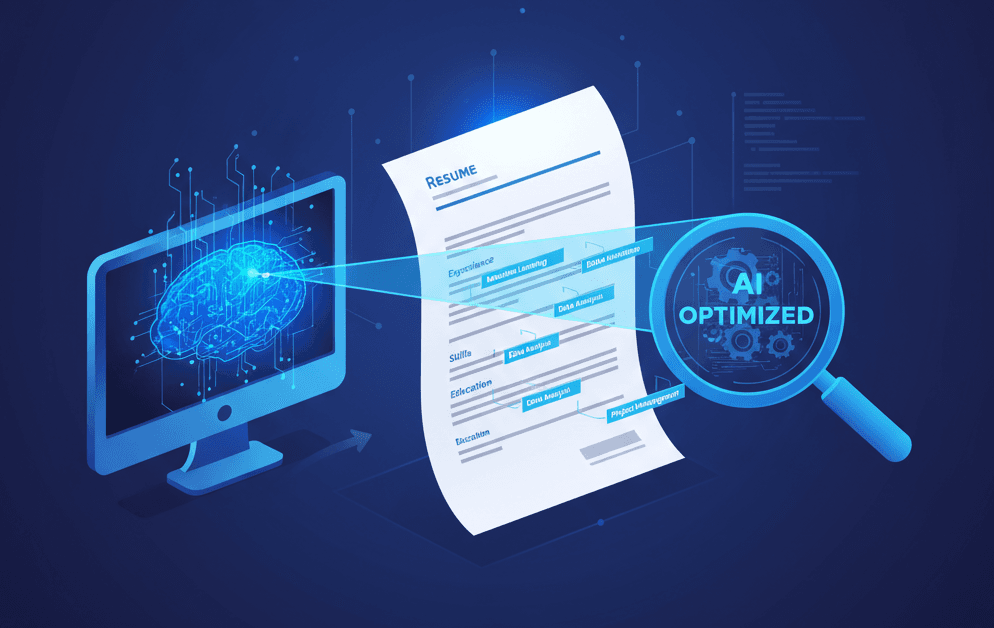
AI resume scanners are sophisticated software programs designed to automate and streamline the initial screening process for job applications. Instead of human eyes sifting through hundreds or thousands of resumes, these systems use algorithms to analyze, categorize, and rank candidates based on predefined criteria. They look for keywords, skills, experience, and education relevant to the job description.
At their core, AI resume scanners parse your document, extracting information into structured data fields. They then compare this data against the job posting, scoring resumes based on keyword matches, formatting readability, and even semantic understanding of your qualifications. Recruiters often set filters to automatically disqualify resumes that don't meet a certain score or lack specific keywords.
The Evolution of Applicant Tracking Systems (ATS)
Applicant Tracking Systems (ATS) have been around for decades, but the integration of advanced AI and machine learning has dramatically transformed their capabilities. Early ATS versions were primarily keyword-matching tools. Today's AI resume scanners go beyond simple keyword counts; they can understand context, identify synonyms, and even analyze sentence structure and tone. This evolution means that while keywords are still crucial, presenting them naturally and within a well-structured document is more important than ever.
Why Optimizing for AI Resume Scanners is Crucial
Imagine applying for your dream job only for your resume to be automatically rejected before a human even sees it. This is the reality for many job seekers who don't optimize their resumes for AI resume scanners. With hundreds of applications per role being common, companies rely on these systems to efficiently narrow down the candidate pool. Failing to pass the initial ATS scan means your qualifications, no matter how impressive, will likely remain undiscovered. Optimizing your resume ensures your application gets a fair shot at reaching a hiring manager's desk.
"The vast majority of large corporations and even many mid-sized businesses now use AI-powered ATS to manage their hiring pipelines. If your resume isn't optimized for these systems, you're significantly reducing your chances of an interview." – CareerBuilder Report
Strategies to Conquer AI Resume Scanners
Beating the AI isn't about tricking the system; it's about speaking its language. Here’s how to craft an ATS-friendly resume:
1. Keyword Optimization: The Golden Rule
Analyze the Job Description: This is your primary source of keywords. Identify key skills, responsibilities, and qualifications listed. Don't just look for nouns; also note verbs and phrases.
Integrate Naturally: Weave keywords throughout your resume, particularly in your summary/objective, work experience bullet points, and skills section. Avoid keyword stuffing, which can flag your resume as spam.
Use Synonyms and Related Terms: AI is getting smarter, but using variations helps. If the job says "customer relationship management," also include "client relations" or "CRM software" if applicable.
2. ATS-Friendly Formatting: Simplicity is Key
Stick to Standard Fonts: Use common, legible fonts like Arial, Calibri, Helvetica, or Times New Roman.
Avoid Complex Graphics and Tables: While visually appealing to humans, these can confuse AI resume scanners, causing them to misinterpret or omit information.
Use Standard Headings: Clearly label sections like "Work Experience," "Education," "Skills," and "Summary." This helps the ATS categorize information correctly.
Save as PDF (Usually): PDFs generally preserve formatting better than Word documents. However, always check the job posting – if it specifically requests a Word document, comply.
3. Quantify Your Achievements
AI scanners can often identify numbers and metrics. Quantifying your accomplishments helps them understand the impact of your work and provides concrete evidence of your skills. Instead of "Managed social media campaigns," write "Grew social media engagement by 30% across three platforms, reaching over 10,000 new followers."
4. Tailor Each Application
This cannot be stressed enough. A generic resume rarely passes an AI scan. Every job application should begin with a thorough review of the specific job description and a tailored adjustment of your resume to match its requirements and keywords. This shows the AI (and later, the human) that you are a precise fit for the role.
5. Proofread Meticulously
Typos and grammatical errors can not only make a bad impression on human recruiters but can also confuse AI resume scanners, potentially leading to misinterpretation of your skills or even disqualification.
Common Mistakes to Avoid with AI Resume Scanners
Using graphics for essential text: If your contact info is in an image, the ATS won't see it.
Irrelevant content: Keep your resume focused on the specific job. Extraneous information can dilute your keyword density.
Overly complex layouts: Multi-column layouts or custom designs can break down when parsed by an ATS.
Omitting the 'Skills' section: This is a prime spot for keyword inclusion that AI resume scanners heavily weigh.
Leveraging Placed for Your ATS-Friendly Resume
At Placed, we understand the intricacies of AI resume scanners. Our platform offers tools and expert guidance to help you craft an ATS-optimized resume. From personalized resume builders that suggest relevant keywords based on job descriptions to professional resume reviews that identify potential ATS pitfalls, Placed ensures your application gets past the AI and into the hands of hiring managers. We also provide interview preparation, cover letter assistance, and LinkedIn optimization, ensuring a holistic approach to your job search.
The modern job search demands a strategic approach to AI resume scanners. By understanding how these systems work and applying the optimization techniques outlined above, you can significantly increase your chances of landing interviews. Don't let AI be a barrier; let it be a stepping stone to your next career opportunity. Explore Placed today to refine your job application materials and take control of your career journey.
Navigating the modern job market often feels like a complex game, and the gatekeepers are increasingly artificial intelligence. AI resume scanners, often integrated into Applicant Tracking Systems (ATS), are the first hurdle many job applications face. Understanding how these powerful tools work is no longer optional – it's essential for any job seeker aiming for success. This comprehensive guide from Placed will demystify AI resume scanners, offering actionable strategies to ensure your application not only gets seen but also stands out.
What are AI Resume Scanners and How Do They Work?
AI resume scanners are sophisticated software programs designed to automate and streamline the initial screening process for job applications. Instead of human eyes sifting through hundreds or thousands of resumes, these systems use algorithms to analyze, categorize, and rank candidates based on predefined criteria. They look for keywords, skills, experience, and education relevant to the job description.
At their core, AI resume scanners parse your document, extracting information into structured data fields. They then compare this data against the job posting, scoring resumes based on keyword matches, formatting readability, and even semantic understanding of your qualifications. Recruiters often set filters to automatically disqualify resumes that don't meet a certain score or lack specific keywords.
The Evolution of Applicant Tracking Systems (ATS)
Applicant Tracking Systems (ATS) have been around for decades, but the integration of advanced AI and machine learning has dramatically transformed their capabilities. Early ATS versions were primarily keyword-matching tools. Today's AI resume scanners go beyond simple keyword counts; they can understand context, identify synonyms, and even analyze sentence structure and tone. This evolution means that while keywords are still crucial, presenting them naturally and within a well-structured document is more important than ever.
Why Optimizing for AI Resume Scanners is Crucial
Imagine applying for your dream job only for your resume to be automatically rejected before a human even sees it. This is the reality for many job seekers who don't optimize their resumes for AI scanners. With hundreds of applications per role being common, companies rely on these systems to efficiently narrow down the candidate pool. Failing to pass the initial ATS scan means your qualifications, no matter how impressive, will likely remain undiscovered. Optimizing your resume ensures your application gets a fair shot at reaching a hiring manager's desk.
"The vast majority of large corporations and even many mid-sized businesses now use AI-powered ATS to manage their hiring pipelines. If your resume isn't optimized for these systems, you're significantly reducing your chances of an interview." – CareerBuilder Report
Strategies to Conquer AI Resume Scanners
Beating the AI isn't about tricking the system; it's about speaking its language. Here’s how to craft an ATS-friendly resume:
1. Keyword Optimization: The Golden Rule
* Analyze the Job Description: This is your primary source of keywords. Identify key skills, responsibilities, and qualifications listed. Don't just look for nouns; also note verbs and phrases.
* Integrate Naturally: Weave keywords throughout your resume, particularly in your summary/objective, work experience bullet points, and skills section. Avoid keyword stuffing, which can flag your resume as spam.
* Use Synonyms and Related Terms: AI is getting smarter, but using variations helps. If the job says "customer relationship management," also include "client relations" or "CRM software" if applicable.
2. ATS-Friendly Formatting: Simplicity is Key
* Stick to Standard Fonts: Use common, legible fonts like Arial, Calibri, Helvetica, or Times New Roman.
* Avoid Complex Graphics and Tables: While visually appealing to humans, these can confuse AI scanners, causing them to misinterpret or omit information.
* Use Standard Headings: Clearly label sections like "Work Experience," "Education," "Skills," and "Summary." This helps the ATS categorize information correctly.
* Save as PDF (Usually): PDFs generally preserve formatting better than Word documents. However, always check the job posting – if it specifically requests a Word document, comply.
3. Quantify Your Achievements
AI scanners can often identify numbers and metrics. Quantifying your accomplishments helps them understand the impact of your work and provides concrete evidence of your skills. Instead of "Managed social media campaigns," write "Grew social media engagement by 30% across three platforms, reaching over 10,000 new followers."
4. Tailor Each Application
This cannot be stressed enough. A generic resume rarely passes an AI scan. Every job application should begin with a thorough review of the specific job description and a tailored adjustment of your resume to match its requirements and keywords. This shows the AI (and later, the human) that you are a precise fit for the role.
5. Proofread Meticulously
Typos and grammatical errors can not only make a bad impression on human recruiters but can also confuse AI scanners, potentially leading to misinterpretation of your skills or even disqualification.
Common Mistakes to Avoid with AI Resume Scanners
* Using graphics for essential text: If your contact info is in an image, the ATS won't see it.
* Irrelevant content: Keep your resume focused on the specific job. Extraneous information can dilute your keyword density.
* Overly complex layouts: Multi-column layouts or custom designs can break down when parsed by an ATS.
* Omitting the 'Skills' section: This is a prime spot for keyword inclusion that AI scanners heavily weigh.
Leveraging Placed for Your ATS-Friendly Resume
At Placed, we understand the intricacies of AI resume scanners. Our platform offers tools and expert guidance to help you craft an ATS-optimized resume. From personalized resume builders that suggest relevant keywords based on job descriptions to professional resume reviews that identify potential ATS pitfalls, Placed ensures your application gets past the AI and into the hands of hiring managers. We also provide interview preparation, cover letter assistance, and LinkedIn optimization, ensuring a holistic approach to your job search.
The modern job search demands a strategic approach to AI resume scanners. By understanding how these systems work and applying the optimization techniques outlined above, you can significantly increase your chances of landing interviews. Don't let AI be a barrier; let it be a stepping stone to your next career opportunity. Explore Placed today to refine your job application materials and take control of your career journey.