Your job interview attire is a powerful non-verbal cue, silently communicating professionalism, respect, and attention to detail before you even speak. It's a critical component of your first impression, signaling to the interviewer that you take the opportunity seriously and can represent the company well. While your skills and experience are paramount, appropriate dress can give you a subtle edge, build your confidence, and demonstrate that you understand the nuances of a professional environment. Understanding what is job interview attire and how to adapt it is crucial for every job seeker.
Why Your Interview Attire Matters: Making a Powerful First Impression
Your interview attire is a non-verbal cue that communicates professionalism, respect, and attention to detail. It's a critical component of your first impression, signaling to the interviewer that you take the opportunity seriously and can represent the company well. While skills and experience are paramount, appropriate dress can give you a subtle edge and build confidence.
The psychological impact of appearance on interviewers is significant. Humans form judgments rapidly, and your appearance is often the first data point. When you present yourself in clean, well-fitting, appropriate attire, you activate positive biases related to competence, trustworthiness, and reliability. This isn't about vanity; it's about leveraging every available tool to convey your best self.
Attire also reflects your respect for the role and the company. Showing up dressed appropriately demonstrates that you've put thought and effort into the interview, valuing both the interviewer's time and the potential opportunity. Conversely, showing up underdressed can suggest a lack of seriousness or attention to detail, which can be a red flag for hiring managers.
Beyond external perceptions, your interview outfit plays a crucial role in your own confidence. When you feel good about how you look, it positively impacts your posture, eye contact, and overall demeanor, allowing you to focus on articulating your qualifications rather than worrying about your appearance. This internal boost can significantly enhance your interview performance.
🧠 Expert Insight: While many companies have relaxed dress codes, the interview is a formal event. It's an opportunity to show your best professional self, not your everyday office self. Always default to a higher level of formality than you might assume for the daily work environment.
General principles for any interview attire include ensuring your clothes are clean, wrinkle-free, and fit well. Ill-fitting clothing, whether too tight or too baggy, can distract and make you appear less polished. Comfort is also key; choose fabrics and styles that allow you to move freely and feel at ease, enabling you to focus on the conversation.
Decoding Dress Codes: From Business Professional to Smart Casual
Understanding the spectrum of interview dress codes, from formal business professional to more relaxed smart casual, is crucial for tailoring your look. Business professional typically involves suits, while smart casual might include blazers with slacks or dark jeans. The key is to align your attire with the company's culture and the specific industry.
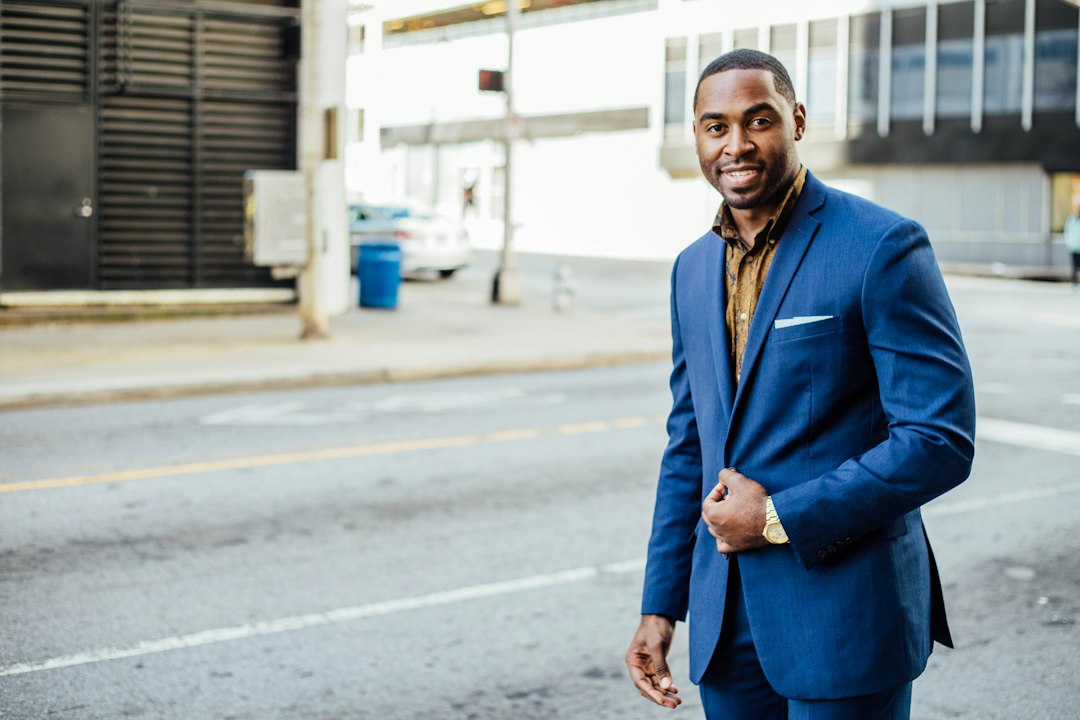
Business Professional attire is the most formal end of the spectrum. It conveys authority and seriousness. Think conservative suits, collared shirts, and polished shoes. This is the standard for industries like finance, law, government, and some corporate environments. For men, a two-piece suit in navy, charcoal, or black is standard, paired with a white or light blue dress shirt and a conservative tie. For women, a tailored pantsuit or skirt suit, a professional dress with a blazer, and closed-toe heels or flats are appropriate. This look minimizes distractions and emphasizes gravitas.
Business Casual is a step down in formality but still maintains a polished appearance. This dress code is common in many office environments today. For men, this often means dress pants or chinos, a collared shirt (button-down or polo), and a sport coat or blazer. A tie is usually optional. For women, tailored trousers, a knee-length skirt, a professional blouse or sweater, and a blazer are excellent choices. Closed-toe shoes are still preferred, but flats or stylish loafers are acceptable. This look balances professionalism with a touch of approachability.
Smart Casual interview attire is the most relaxed of the professional categories, often found in creative fields, startups, or tech companies. However, "casual" here does not mean sloppy. For men, dark, well-fitting jeans or chinos, a collared shirt or a fine-gauge sweater, and clean, stylish sneakers or loafers can work. A blazer can always elevate the look. For women, dark jeans or tailored pants, a fashionable blouse or a sophisticated knit top, and neat flats, ankle boots, or stylish sneakers are appropriate. The emphasis is on looking put-together and intentional, reflecting a modern, yet professional, aesthetic.
How do you research and interpret a company's dress code? Start with their career page, social media, and especially LinkedIn. Look at photos of employees in the office or at company events. Does everyone wear suits? Are there blazers? Or are people in t-shirts and hoodies? This visual evidence is your best guide. You can also discreetly ask your recruiter or a contact within the company. Remember, it's always better to be slightly overdressed than underdressed for an interview.
Dress Code | Men's Attire Examples |
|---|
What to Wear: Specific Guidance for Men and Women
Appropriate interview attire for men typically involves a suit, dress shirt, and tie for formal settings, or a blazer with dress pants for business casual. For women, options range from a tailored suit or dress with a blazer for formal roles, to professional separates like blouses, skirts, or tailored trousers for less formal environments. Focus on clean lines and a polished appearance.
Recommended Attire for Men
Suits: For business professional roles, a two-piece suit in navy, charcoal gray, or black is essential. Ensure it's well-fitted and clean.
Shirts: A long-sleeved, collared dress shirt in white or light blue is a safe bet. Make sure it's ironed and tucked in.
Ties: Choose a conservative tie with a subtle pattern or solid color that complements your suit and shirt. Avoid novelty ties.
Shoes: Polished leather dress shoes (oxfords or loafers) in black or dark brown. Match your belt color to your shoes.
Socks: Dark, solid-colored socks that match your trousers, ensuring no skin shows when you sit.
Accessories: A subtle watch, minimal jewelry (e.g., a wedding band), and a professional briefcase or portfolio. Ensure hair is neatly groomed and facial hair is trimmed.
Recommended Attire for Women
Suits/Dresses: A tailored pantsuit or skirt suit in navy, charcoal, or black is ideal for business professional. A knee-length professional dress with a blazer is also appropriate.
Blouses/Tops: A conservative blouse in a solid color (white, cream, light blue) or a subtle pattern. Ensure it's not too low-cut or sheer.
Skirts/Trousers: If not wearing a suit, tailored trousers or a knee-length pencil skirt are excellent choices. Ensure skirts are not too tight or short.
Shoes: Closed-toe heels with a moderate height (1-3 inches) or polished flats. Avoid open-toed shoes, stilettos, or overly casual footwear.
Hosiery: If wearing a skirt, nude or dark hosiery is generally recommended for a polished look.
Accessories: Minimal, professional jewelry (studs or small hoops, a simple necklace). A professional handbag or portfolio. Hair should be neatly styled, and makeup natural.
Best Colors to Wear
Neutrals are your best friends: navy blue, charcoal gray, black, white, and cream. These colors convey professionalism, reliability, and allow the interviewer to focus on your words, not your wardrobe. Navy and charcoal are often preferred over black as they can appear less stark and more approachable. You can add a subtle pop of color with a tie, scarf, or a modest accessory, but keep it understated.
Colors to Avoid
Steer clear of overly bright, neon, or distracting colors like hot pink, bright orange, or lime green. These can be jarring and unprofessional. Similarly, avoid busy or loud patterns that might draw attention away from your face. While black is a classic, too much black can sometimes appear severe; balance it with lighter tones. The goal is to project a calm, confident, and professional image.
Industry-Specific Attire: Tailoring Your Look for the Role
Different industries have distinct expectations for interview attire. A finance role might demand a full suit, while a tech startup could prefer smart casual. Healthcare often requires neat, practical attire, and creative fields allow for more personal expression while maintaining professionalism. Always consider the industry's norms and the specific company's culture.
Attire for Traditional Industries (Finance, Law, Corporate)
For these sectors, business professional attire is almost always the expectation. This means a conservative, well-tailored suit in a dark neutral color (navy, charcoal, black) for both men and women. Men should wear a collared dress shirt and a tie; women should pair their suit with a professional blouse or dress. This dress code signals respect for established protocols and a serious approach to the role. Deviating too much can be perceived as a lack of understanding of professional norms.
Attire for Tech and Startup Environments
Many tech companies and startups are known for their relaxed cultures, but don't mistake this for an invitation to wear flip-flops. Business casual or smart casual is typically appropriate. For men, this could be dark jeans or chinos with a collared shirt or a fine-gauge sweater, possibly a blazer. For women, tailored pants or dark jeans with a stylish blouse or a professional knit top, and neat flats or ankle boots. Research is paramount here; look at company photos. If the CEO wears a hoodie, you still don't wear a hoodie to your interview, but a blazer over a dark T-shirt might be acceptable for a very casual startup.
Attire for Healthcare and Education Sectors
In healthcare and education, professionalism, cleanliness, and practicality are key. Business casual is often the standard. This means slacks or tailored skirts with blouses or collared shirts. Comfort is also important, especially if the role involves moving around. Avoid anything too restrictive or flashy. For roles that might involve patient or student interaction, a neat, approachable appearance is prioritized. Clean, comfortable, closed-toe shoes are a must.
Attire for Creative and Hospitality Roles
Creative industries (marketing, design, media) and hospitality often allow for more personality in your attire, but professionalism is still crucial. Smart casual is a good baseline. You can incorporate more stylish elements, interesting textures, or subtle patterns, but ensure your look remains polished and intentional. The goal is to demonstrate your aesthetic sense without being unprofessional. For hospitality, a well-groomed, neat appearance is paramount, often leaning towards business casual to reflect service standards.
How to Adapt for Skilled Trades or Field-Based Positions
For roles in skilled trades (e.g., electrician, plumber) or field-based positions, practicality often trumps traditional formality. You still need to look neat and professional. Clean, pressed work pants (khakis or dark trousers), a clean collared shirt (polo or button-down), and sturdy, clean work boots or shoes are appropriate. Avoid anything that looks like you just finished a shift or are about to start heavy labor. The interviewer wants to see that you respect the interview process and can present yourself professionally, even if the daily uniform is different.
Virtual Interview Attire: Polished from the Waist Up
For virtual interviews, while only your upper half is typically visible, it's crucial to dress professionally from head to toe to boost confidence. Opt for solid, professional colors, avoid distracting patterns, and ensure your hair and background are neat. Good lighting and a clear camera angle are also essential for making a strong virtual impression.
The importance of dressing completely, even if only visible from the waist up, cannot be overstated. Knowing you are fully dressed in your professional interview outfits boosts your confidence and can subtly affect your posture and demeanor. It also prevents any awkward surprises if you need to stand up unexpectedly. Don't fall into the trap of wearing pajama bottoms with a blazer; maintain full professional dress.
For virtual screens, best colors and patterns are solid, neutral tones. Navy, charcoal, black, white, and light blue work well. Avoid busy patterns like small stripes or checks, as these can create a distracting moiré effect on camera. Bright colors can also be overwhelming. The goal is for your attire to blend into the background, allowing your face and communication to take center stage.
Tips for hair, makeup, and minimal accessories remain similar to in-person interviews. Hair should be neatly styled and out of your face. Makeup should be natural, enhancing your features without being distracting. Limit jewelry to simple pieces like stud earrings or a delicate necklace. Avoid anything shiny that might reflect light or dangle excessively.
Background considerations and lighting are critical for virtual interviews. Choose a clean, uncluttered background. A plain wall is ideal. Position yourself facing a window or use a soft, diffused light source in front of you to illuminate your face evenly. Avoid backlighting, which can make you appear as a silhouette. Ensure your camera is at eye level to create a more engaging interaction.
✅ Best Practice: Test your entire virtual setup—lighting, camera angle, audio, and outfit—at least 30 minutes before your interview. This helps you identify and fix any technical glitches or wardrobe issues, reducing pre-interview stress.
Dress fully, head-to-toe, even if only your upper body is visible.
Choose solid, neutral colors like navy, charcoal, white, or light blue.
Avoid busy patterns, bright colors, or anything that creates a moiré effect on camera.
Ensure hair is neat, makeup is natural, and accessories are minimal.
Select a clean, uncluttered background.
Position lighting in front of you for even illumination; avoid backlighting.
Place your camera at eye level for better engagement.
What NOT to Wear: Common Interview Attire Mistakes to Avoid
Avoiding common attire mistakes is as important as knowing what to wear. Steer clear of overly casual items like t-shirts, athletic wear, or ripped jeans. Ill-fitting clothes, strong perfumes, excessive jewelry, and distracting patterns can all detract from your professional image. Always prioritize comfort, cleanliness, and appropriateness.
Ill-fitting or wrinkled clothing immediately signals a lack of attention to detail and can make you appear sloppy. Clothes that are too tight can be uncomfortable and distracting, while clothes that are too baggy can make you look unkempt. Always ensure your clothes are ironed or steamed and fit properly. This is one of the easiest mistakes to avoid with a little preparation.
Overly casual items are a definite no-go unless explicitly advised otherwise for a highly specific, casual environment. This includes t-shirts (especially graphic tees), shorts, athletic wear, hoodies, flip-flops, or sneakers (unless they are very clean, stylish fashion sneakers in a smart casual context). These items communicate a lack of seriousness about the opportunity.
Distracting patterns, logos, or excessive jewelry can pull the interviewer's focus away from your qualifications. Avoid loud prints, large brand logos, or anything that jingles or glitters excessively. Your accessories should complement your professional image, not overpower it. Similarly, strong fragrances or body odor can be highly off-putting and should be avoided at all costs. Opt for a light, neutral scent or none at all.
Dirty or scuffed shoes are often overlooked but can ruin an otherwise polished look. Your footwear should be clean and well-maintained. Just like your clothes, your shoes contribute to the overall impression of your attention to detail. Revealing or provocative clothing, such as low-cut tops, very short skirts, or sheer fabrics, is always inappropriate for a professional interview setting. The focus should be on your professional capabilities, not your physical appearance.
Finally, avoid hats or sunglasses during the interview itself (unless medically necessary). These can obscure your face and make it difficult to establish good eye contact, which is crucial for building rapport. Remember, every element of your appearance contributes to the message you send about yourself as a professional.
Budget-Friendly Interview Attire & Last-Minute Prep
Looking professional for an interview doesn't require a large budget. Focus on key versatile pieces that can be mixed and matched. Thrift stores, consignment shops, and sales can yield great finds. For last-minute interviews, prioritize cleanliness and neatness, even if it means choosing a slightly less formal but well-maintained outfit you already own.
Where to find affordable professional clothing? Don't dismiss second-hand options. Thrift stores, consignment shops, and online marketplaces like Poshmark or ThredUp can be goldmines for high-quality, gently used professional clothing at a fraction of the cost. Look for classic pieces from reputable brands. End-of-season sales, outlet stores, and discount retailers (e.g., TJ Maxx, Ross) are also excellent sources for new items. The key is to be patient and know what you're looking for.
Key versatile pieces for a capsule interview wardrobe include a well-fitting blazer (navy or charcoal), a crisp white button-down shirt or blouse, tailored dark trousers or a knee-length skirt, and a pair of comfortable, polished closed-toe shoes. These items can be mixed and matched to create multiple professional interview outfits suitable for various levels of formality. Investing in these foundational pieces will serve you well for many interviews to come.
💡 Tip: When shopping on a budget, prioritize fit. Even an inexpensive garment can look high-end if it fits you perfectly. Don't be afraid to factor in a small tailoring cost if a piece is almost right.
For quick fixes: steaming is faster and often more effective than ironing for removing wrinkles. A handheld steamer is a great investment. For stains, a portable stain remover pen can be a lifesaver. Always check your shoes for scuffs and give them a quick polish. A lint roller is essential for removing pet hair or fabric debris. These small efforts make a big difference in presenting a polished appearance.
How to handle a last-minute interview with limited preparation time? First, don't panic. Prioritize cleanliness and neatness above all else. Choose the cleanest, best-fitting outfit you already own, even if it's slightly less formal than you'd prefer. Ensure it's wrinkle-free and any stains are removed. Focus on grooming—neat hair, clean nails, fresh breath. If you absolutely lack appropriate attire, consider borrowing from a friend or asking if the interview can be virtual, buying you time to acquire suitable clothing. Your confidence in what you have is more important than having the absolute perfect outfit.
Mastering your interview attire is a crucial step in your job search journey. By understanding the nuances of different dress codes, researching company cultures, and preparing your professional interview outfits thoughtfully, you project confidence and competence. Remember, your appearance is an extension of your personal brand. For a holistic approach to landing your dream job, ensure your resume is as polished as your attire. Our Placed Resume Builder can help you build an ATS-friendly resume that gets you noticed. Furthermore, beyond company websites, consider reviewing the LinkedIn profilescomprehensive interview preparation resources, including mock interviews and expert tips, to ensure you're ready for every question and scenario.
🎯 Key Takeaways
Your interview attire is a non-verbal cue of professionalism and respect for the role.
Research the company culture and industry norms to determine the appropriate dress code.
Prioritize clean, well-fitting clothes in neutral colors for a polished appearance.
For virtual interviews, dress professionally head-to-toe, even if only visible from the waist up.
Avoid common mistakes like ill-fitting clothes, strong fragrances, or overly casual items.
Affordable, professional outfits are accessible through smart shopping and careful preparation.
Frequently Asked Questions
What is appropriate interview attire for men?
For men, appropriate interview attire typically ranges from a full business professional suit (dark navy, charcoal, or black) with a collared dress shirt, conservative tie, and polished dress shoes, to business casual options like a blazer, dress shirt, slacks, and loafers. The specific choice depends heavily on the industry and company culture. Always ensure clothing is clean, wrinkle-free, and fits well, conveying attention to detail and respect for the opportunity.
What is appropriate interview attire for women?
For women, appropriate interview attire can include a tailored pantsuit or skirt suit in a neutral color, a professional dress with a blazer, or conservative separates like a blouse, tailored trousers or a knee-length skirt. Closed-toe shoes with a moderate heel or flats are generally recommended. Keep accessories minimal and professional. The goal is to project competence and confidence, aligning with the company's expected level of formality.
How to dress for a casual interview?
Dressing for a casual interview still requires professionalism. "Casual" rarely means jeans and a t-shirt. Instead, opt for "smart casual." For men, this might be dark, well-fitting jeans or chinos, a collared shirt (polo or button-down), and clean sneakers or loafers. For women, dark jeans or tailored pants, a stylish blouse or sweater, and neat flats or ankle boots work well. Always lean slightly more formal than you think, as it's better to be slightly overdressed than underdressed.
What colors are best to wear to an interview?
Neutral colors are universally best for interview attire. Navy blue, charcoal gray, and black are excellent choices for suits or primary pieces, as they convey professionalism and authority without being distracting. White or light blue dress shirts and blouses are safe and crisp. You can introduce a subtle pop of color with a tie or a modest accessory, but avoid overly bright, neon, or busy patterns that can detract from your message.
Are there industry-specific dress codes for interviews?
Absolutely. Industry-specific dress codes are critical for interviews. Traditional sectors like finance, law, and consulting typically expect business professional attire (full suits). Tech and creative industries often lean towards business casual or smart casual, valuing authenticity and comfort while still expecting polish. Healthcare and education generally require clean, neat, and practical attire. Always research the specific company and role, as even within an industry, cultures vary. LinkedIn profiles of current employees can offer visual cues.
What should you not wear to an interview?
You should avoid wearing anything that is ill-fitting, wrinkled, stained, or overly casual. This includes t-shirts, athletic wear, shorts, flip-flops, or ripped jeans. Steer clear of distracting elements like excessive jewelry, strong perfumes/colognes, bold patterns, or clothing with large logos. Revealing attire, open-toed shoes (unless in a very specific creative field), and anything that might make you uncomfortable or self-conscious should also be avoided. The focus should be on your qualifications, not your wardrobe.
How important is interview attire?
Interview attire is highly important because it forms a critical part of your non-verbal communication and first impression. While your skills and experience are paramount, appropriate attire demonstrates respect for the interviewer, the company, and the opportunity. It signals professionalism, attention to detail, and that you take the process seriously. Many hiring managers qualitatively note that appropriate dress contributes to a candidate's perceived competence and reliability, giving you a subtle edge over equally qualified candidates.
Can you wear jeans to an interview?
Wearing jeans to an interview is generally risky and should only be considered if you are certain the company culture is very casual, such as some tech startups or creative agencies. If you do opt for jeans, they must be dark-wash, well-fitting, free of rips or fading, and paired with a professional top like a blazer and a collared shirt or a smart blouse. When in doubt, it's always safer to choose tailored trousers or chinos over jeans, as being slightly overdressed is preferable to being underdressed.
What is the best outfit for a first interview?
The best outfit for a first interview is one that aligns with the company's culture while projecting professionalism and confidence. For most professional roles, this means business professional or business casual. A well-tailored suit (dark navy or charcoal) for men, or a suit or professional dress with a blazer for women, is a safe bet. If you've researched and confirmed a more relaxed environment, smart casual (blazer, dress shirt/blouse, tailored pants/dark jeans) is appropriate. The key is to be clean, comfortable, and polished, ensuring your attire doesn't distract from your qualifications.
How do I choose interview attire based on company culture?
Choosing interview attire based on company culture requires diligent research. Start by checking the company's website, especially their 'About Us' or 'Careers' pages, for photos of employees. Look at their social media (LinkedIn, Instagram) for visual cues on how current employees dress. Pay attention to photos from company events or daily office life. If you have a contact at the company, don't hesitate to ask about the typical dress code. When in doubt, err on the side of slightly more formal, as it demonstrates respect. The goal is to fit in, not stand out negatively.
What accessories are appropriate for an interview?
Appropriate interview accessories are subtle and functional, complementing your outfit without distracting. For men, this includes a conservative tie, a polished watch, and a professional belt that matches your shoes. For women, a simple necklace, stud earrings, a classic watch, and a professional handbag or briefcase are suitable. Avoid large, flashy jewelry, excessive rings, or anything that jingles. The focus should remain on your professional presence, not your accessories.
How do I prepare my outfit the night before an interview?
Preparing your outfit the night before an interview is crucial for a stress-free morning. First, lay out your complete outfit, including undergarments, socks/hosiery, shoes, and accessories. Check everything for cleanliness, wrinkles, and any missing buttons or loose threads. Iron or steam your clothes as needed. Polish your shoes. If you have a bag, pack your essentials like a resume copy, pen, and notepad. This proactive step ensures you're fully prepared and can focus on mentally preparing for the interview itself.
Your job interview attire is a powerful non-verbal cue, silently communicating professionalism, respect, and attention to detail before you even speak. It's a critical component of your first impression, signaling to the interviewer that you take the opportunity seriously and can represent the company well. While your skills and experience are paramount, appropriate dress can give you a subtle edge, build your confidence, and demonstrate that you understand the nuances of a professional environment. Understanding what is job interview attire and how to adapt it is crucial for every job seeker.
Why Your Interview Attire Matters: Making a Powerful First Impression
Your interview attire is a non-verbal cue that communicates professionalism, respect, and attention to detail. It's a critical component of your first impression, signaling to the interviewer that you take the opportunity seriously and can represent the company well. While skills and experience are paramount, appropriate dress can give you a subtle edge and build confidence.
The psychological impact of appearance on interviewers is significant. Humans form judgments rapidly, and your appearance is often the first data point. When you present yourself in clean, well-fitting, appropriate attire, you activate positive biases related to competence, trustworthiness, and reliability. This isn't about vanity; it's about leveraging every available tool to convey your best self.
Attire also reflects your respect for the role and the company. Showing up dressed appropriately demonstrates that you've put thought and effort into the interview, valuing both the interviewer's time and the potential opportunity. Conversely, showing up underdressed can suggest a lack of seriousness or attention to detail, which can be a red flag for hiring managers.
Beyond external perceptions, your interview outfit plays a crucial role in your own confidence. When you feel good about how you look, it positively impacts your posture, eye contact, and overall demeanor, allowing you to focus on articulating your qualifications rather than worrying about your appearance. This internal boost can significantly enhance your interview performance.
🧠 Expert Insight: While many companies have relaxed dress codes, the interview is a formal event. It's an opportunity to show your best professional self, not your everyday office self. Always default to a higher level of formality than you might assume for the daily work environment.
General principles for any interview attire include ensuring your clothes are clean, wrinkle-free, and fit well. Ill-fitting clothing, whether too tight or too baggy, can distract and make you appear less polished. Comfort is also key; choose fabrics and styles that allow you to move freely and feel at ease, enabling you to focus on the conversation.
Decoding Dress Codes: From Business Professional to Smart Casual
Understanding the spectrum of interview dress codes, from formal business professional to more relaxed smart casual, is crucial for tailoring your look. Business professional typically involves suits, while smart casual might include blazers with slacks or dark jeans. The key is to align your attire with the company's culture and the specific industry.
Business Professional attire is the most formal end of the spectrum. It conveys authority and seriousness. Think conservative suits, collared shirts, and polished shoes. This is the standard for industries like finance, law, government, and some corporate environments. For men, a two-piece suit in navy, charcoal, or black is standard, paired with a white or light blue dress shirt and a conservative tie. For women, a tailored pantsuit or skirt suit, a professional dress with a blazer, and closed-toe heels or flats are appropriate. This look minimizes distractions and emphasizes gravitas.
Business Casual is a step down in formality but still maintains a polished appearance. This dress code is common in many office environments today. For men, this often means dress pants or chinos, a collared shirt (button-down or polo), and a sport coat or blazer. A tie is usually optional. For women, tailored trousers, a knee-length skirt, a professional blouse or sweater, and a blazer are excellent choices. Closed-toe shoes are still preferred, but flats or stylish loafers are acceptable. This look balances professionalism with a touch of approachability.
Smart Casual interview attire is the most relaxed of the professional categories, often found in creative fields, startups, or tech companies. However, "casual" here does not mean sloppy. For men, dark, well-fitting jeans or chinos, a collared shirt or a fine-gauge sweater, and clean, stylish sneakers or loafers can work. A blazer can always elevate the look. For women, dark jeans or tailored pants, a fashionable blouse or a sophisticated knit top, and neat flats, ankle boots, or stylish sneakers are appropriate. The emphasis is on looking put-together and intentional, reflecting a modern, yet professional, aesthetic.
How do you research and interpret a company's dress code? Start with their career page, social media, and especially LinkedIn. Look at photos of employees in the office or at company events. Does everyone wear suits? Are there blazers? Or are people in t-shirts and hoodies? This visual evidence is your best guide. You can also discreetly ask your recruiter or a contact within the company. Remember, it's always better to be slightly overdressed than underdressed for an interview.
Dress Code
Men's Attire Examples
Women's Attire Examples
Common Industries
Business Professional
Dark 2-piece suit (navy, charcoal, black), white/light blue dress shirt, conservative tie, polished dress shoes.
Tailored pantsuit or skirt suit (navy, charcoal, black), professional dress with blazer, closed-toe heels/flats.
Finance, Law, Consulting, Government, Corporate
Business Casual
Blazer or sport coat, dress shirt (tie optional), tailored trousers/chinos, loafers/dress shoes.
Blazer, professional blouse/sweater, tailored trousers/knee-length skirt, closed-toe flats/moderate heels.
Marketing, Sales, HR, Academia, many Tech companies
Smart Casual
Dark, clean jeans or chinos, collared shirt/fine-gauge sweater, neat sneakers/loafers (optional blazer).
Dark, clean jeans or tailored pants, stylish blouse/knit top, neat flats/ankle boots/fashion sneakers.
Creative agencies, Startups, some Tech, non-profit
What to Wear: Specific Guidance for Men and Women
Appropriate interview attire for men typically involves a suit, dress shirt, and tie for formal settings, or a blazer with dress pants for business casual. For women, options range from a tailored suit or dress with a blazer for formal roles, to professional separates like blouses, skirts, or tailored trousers for less formal environments. Focus on clean lines and a polished appearance.
Recommended Attire for Men
Suits: For business professional roles, a two-piece suit in navy, charcoal gray, or black is essential. Ensure it's well-fitted and clean.
Shirts: A long-sleeved, collared dress shirt in white or light blue is a safe bet. Make sure it's ironed and tucked in.
Ties: Choose a conservative tie with a subtle pattern or solid color that complements your suit and shirt. Avoid novelty ties.
Shoes: Polished leather dress shoes (oxfords or loafers) in black or dark brown. Match your belt color to your shoes.
Socks: Dark, solid-colored socks that match your trousers, ensuring no skin shows when you sit.
Accessories: A subtle watch, minimal jewelry (e.g., a wedding band), and a professional briefcase or portfolio. Ensure hair is neatly groomed and facial hair is trimmed.
Recommended Attire for Women
Suits/Dresses: A tailored pantsuit or skirt suit in navy, charcoal, or black is ideal for business professional. A knee-length professional dress with a blazer is also appropriate.
Blouses/Tops: A conservative blouse in a solid color (white, cream, light blue) or a subtle pattern. Ensure it's not too low-cut or sheer.
Skirts/Trousers: If not wearing a suit, tailored trousers or a knee-length pencil skirt are excellent choices. Ensure skirts are not too tight or short.
Shoes: Closed-toe heels with a moderate height (1-3 inches) or polished flats. Avoid open-toed shoes, stilettos, or overly casual footwear.
Hosiery: If wearing a skirt, nude or dark hosiery is generally recommended for a polished look.
Accessories: Minimal, professional jewelry (studs or small hoops, a simple necklace). A professional handbag or portfolio. Hair should be neatly styled, and makeup natural.
Best Colors to Wear
Neutrals are your best friends: navy blue, charcoal gray, black, white, and cream. These colors convey professionalism, reliability, and allow the interviewer to focus on your words, not your wardrobe. Navy and charcoal are often preferred over black as they can appear less stark and more approachable. You can add a subtle pop of color with a tie, scarf, or a modest accessory, but keep it understated.
Colors to Avoid
Steer clear of overly bright, neon, or distracting colors like hot pink, bright orange, or lime green. These can be jarring and unprofessional. Similarly, avoid busy or loud patterns that might draw attention away from your face. While black is a classic, too much black can sometimes appear severe; balance it with lighter tones. The goal is to project a calm, confident, and professional image.
Industry-Specific Attire: Tailoring Your Look for the Role
Different industries have distinct expectations for interview attire. A finance role might demand a full suit, while a tech startup could prefer smart casual. Healthcare often requires neat, practical attire, and creative fields allow for more personal expression while maintaining professionalism. Always consider the industry's norms and the specific company's culture.
Attire for Traditional Industries (Finance, Law, Corporate)
For these sectors, business professional attire is almost always the expectation. This means a conservative, well-tailored suit in a dark neutral color (navy, charcoal, black) for both men and women. Men should wear a collared dress shirt and a tie; women should pair their suit with a professional blouse or dress. This dress code signals respect for established protocols and a serious approach to the role. Deviating too much can be perceived as a lack of understanding of professional norms.
Attire for Tech and Startup Environments
Many tech companies and startups are known for their relaxed cultures, but don't mistake this for an invitation to wear flip-flops. Business casual or smart casual is typically appropriate. For men, this could be dark jeans or chinos with a collared shirt or a fine-gauge sweater, possibly a blazer. For women, tailored pants or dark jeans with a stylish blouse or a professional knit top, and neat flats or ankle boots. Research is paramount here; look at company photos. If the CEO wears a hoodie, you still don't wear a hoodie to your interview, but a blazer over a dark T-shirt might be acceptable for a very casual startup.
Attire for Healthcare and Education Sectors
In healthcare and education, professionalism, cleanliness, and practicality are key. Business casual is often the standard. This means slacks or tailored skirts with blouses or collared shirts. Comfort is also important, especially if the role involves moving around. Avoid anything too restrictive or flashy. For roles that might involve patient or student interaction, a neat, approachable appearance is prioritized. Clean, comfortable, closed-toe shoes are a must.
Attire for Creative and Hospitality Roles
Creative industries (marketing, design, media) and hospitality often allow for more personality in your attire, but professionalism is still crucial. Smart casual is a good baseline. You can incorporate more stylish elements, interesting textures, or subtle patterns, but ensure your look remains polished and intentional. The goal is to demonstrate your aesthetic sense without being unprofessional. For hospitality, a well-groomed, neat appearance is paramount, often leaning towards business casual to reflect service standards.
How to Adapt for Skilled Trades or Field-Based Positions
For roles in skilled trades (e.g., electrician, plumber) or field-based positions, practicality often trumps traditional formality. You still need to look neat and professional. Clean, pressed work pants (khakis or dark trousers), a clean collared shirt (polo or button-down), and sturdy, clean work boots or shoes are appropriate. Avoid anything that looks like you just finished a shift or are about to start heavy labor. The interviewer wants to see that you respect the interview process and can present yourself professionally, even if the daily uniform is different.
Virtual Interview Attire: Polished from the Waist Up
For virtual interviews, while only your upper half is typically visible, it's crucial to dress professionally from head to toe to boost confidence. Opt for solid, professional colors, avoid distracting patterns, and ensure your hair and background are neat. Good lighting and a clear camera angle are also essential for making a strong virtual impression.
The importance of dressing completely, even if only visible from the waist up, cannot be overstated. Knowing you are fully dressed in your professional interview outfits boosts your confidence and can subtly affect your posture and demeanor. It also prevents any awkward surprises if you need to stand up unexpectedly. Don't fall into the trap of wearing pajama bottoms with a blazer; maintain full professional dress.
For virtual screens, best colors and patterns are solid, neutral tones. Navy, charcoal, black, white, and light blue work well. Avoid busy patterns like small stripes or checks, as these can create a distracting moiré effect on camera. Bright colors can also be overwhelming. The goal is for your attire to blend into the background, allowing your face and communication to take center stage.
Tips for hair, makeup, and minimal accessories remain similar to in-person interviews. Hair should be neatly styled and out of your face. Makeup should be natural, enhancing your features without being distracting. Limit jewelry to simple pieces like stud earrings or a delicate necklace. Avoid anything shiny that might reflect light or dangle excessively.
Background considerations and lighting are critical for virtual interviews. Choose a clean, uncluttered background. A plain wall is ideal. Position yourself facing a window or use a soft, diffused light source in front of you to illuminate your face evenly. Avoid backlighting, which can make you appear as a silhouette. Ensure your camera is at eye level to create a more engaging interaction.
✅ Best Practice: Test your entire virtual setup—lighting, camera angle, audio, and outfit—at least 30 minutes before your interview. This helps you identify and fix any technical glitches or wardrobe issues, reducing pre-interview stress.
Dress fully, head-to-toe, even if only your upper body is visible.
Choose solid, neutral colors like navy, charcoal, white, or light blue.
Avoid busy patterns, bright colors, or anything that creates a moiré effect on camera.
Ensure hair is neat, makeup is natural, and accessories are minimal.
Select a clean, uncluttered background.
Position lighting in front of you for even illumination; avoid backlighting.
Place your camera at eye level for better engagement.
What NOT to Wear: Common Interview Attire Mistakes to Avoid
Avoiding common attire mistakes is as important as knowing what to wear. Steer clear of overly casual items like t-shirts, athletic wear, or ripped jeans. Ill-fitting clothes, strong perfumes, excessive jewelry, and distracting patterns can all detract from your professional image. Always prioritize comfort, cleanliness, and appropriateness.
Ill-fitting or wrinkled clothing immediately signals a lack of attention to detail and can make you appear sloppy. Clothes that are too tight can be uncomfortable and distracting, while clothes that are too baggy can make you look unkempt. Always ensure your clothes are ironed or steamed and fit properly. This is one of the easiest mistakes to avoid with a little preparation.
Overly casual items are a definite no-go unless explicitly advised otherwise for a highly specific, casual environment. This includes t-shirts (especially graphic tees), shorts, athletic wear, hoodies, flip-flops, or sneakers (unless they are very clean, stylish fashion sneakers in a smart casual context). These items communicate a lack of seriousness about the opportunity.
Distracting patterns, logos, or excessive jewelry can pull the interviewer's focus away from your qualifications. Avoid loud prints, large brand logos, or anything that jingles or glitters excessively. Your accessories should complement your professional image, not overpower it. Similarly, strong fragrances or body odor can be highly off-putting and should be avoided at all costs. Opt for a light, neutral scent or none at all.
Dirty or scuffed shoes are often overlooked but can ruin an otherwise polished look. Your footwear should be clean and well-maintained. Just like your clothes, your shoes contribute to the overall impression of your attention to detail. Revealing or provocative clothing, such as low-cut tops, very short skirts, or sheer fabrics, is always inappropriate for a professional interview setting. The focus should be on your professional capabilities, not your physical appearance.
Finally, avoid hats or sunglasses during the interview itself (unless medically necessary). These can obscure your face and make it difficult to establish good eye contact, which is crucial for building rapport. Remember, every element of your appearance contributes to the message you send about yourself as a professional.
Budget-Friendly Interview Attire & Last-Minute Prep
Looking professional for an interview doesn't require a large budget. Focus on key versatile pieces that can be mixed and matched. Thrift stores, consignment shops, and sales can yield great finds. For last-minute interviews, prioritize cleanliness and neatness, even if it means choosing a slightly less formal but well-maintained outfit you already own.
Where to find affordable professional clothing? Don't dismiss second-hand options. Thrift stores, consignment shops, and online marketplaces like Poshmark or ThredUp can be goldmines for high-quality, gently used professional clothing at a fraction of the cost. Look for classic pieces from reputable brands. End-of-season sales, outlet stores, and discount retailers (e.g., TJ Maxx, Ross) are also excellent sources for new items. The key is to be patient and know what you're looking for.
Key versatile pieces for a capsule interview wardrobe include a well-fitting blazer (navy or charcoal), a crisp white button-down shirt or blouse, tailored dark trousers or a knee-length skirt, and a pair of comfortable, polished closed-toe shoes. These items can be mixed and matched to create multiple professional interview outfits suitable for various levels of formality. Investing in these foundational pieces will serve you well for many interviews to come.
💡 Tip: When shopping on a budget, prioritize fit. Even an inexpensive garment can look high-end if it fits you perfectly. Don't be afraid to factor in a small tailoring cost if a piece is almost right.
For quick fixes: steaming is faster and often more effective than ironing for removing wrinkles. A handheld steamer is a great investment. For stains, a portable stain remover pen can be a lifesaver. Always check your shoes for scuffs and give them a quick polish. A lint roller is essential for removing pet hair or fabric debris. These small efforts make a big difference in presenting a polished appearance.
How to handle a last-minute interview with limited preparation time? First, don't panic. Prioritize cleanliness and neatness above all else. Choose the cleanest, best-fitting outfit you already own, even if it's slightly less formal than you'd prefer. Ensure it's wrinkle-free and any stains are removed. Focus on grooming—neat hair, clean nails, fresh breath. If you absolutely lack appropriate attire, consider borrowing from a friend or asking if the interview can be virtual, buying you time to acquire suitable clothing. Your confidence in what you have is more important than having the absolute perfect outfit.
Mastering your interview attire is a crucial step in your job search journey. By understanding the nuances of different dress codes, researching company cultures, and preparing your professional interview outfits thoughtfully, you project confidence and competence. Remember, your appearance is an extension of your personal brand. For a holistic approach to landing your dream job, ensure your resume is as polished as your attire. Our Placed Resume Builder can help you build an ATS-friendly resume that gets you noticed. Furthermore, beyond company websites, consider reviewing the LinkedIn profiles comprehensive interview preparation resources , including mock interviews and expert tips, to ensure you're ready for every question and scenario.