Published in Job Interview
Best Job Interview Tips for Landing Your Dream Role
Master the interview process with expert strategies, AI tools, and actionable advice for entry-level professionals.
PE
By Placed Editorial
16 min read
A successful job interview hinges on thorough preparation, confident communication, and genuine engagement. To ace your next interview, focus on researching the company, practicing your answers, dressing professionally, listening actively, asking insightful questions, and sending a timely thank-you note. These job interview tips are designed to leave a lasting positive impression on potential employers and secure your dream role.
Mastering the Interview: Crucial Tips for Success
A successful job interview hinges on thorough preparation, confident communication, and genuine engagement. Key tips include researching the company, practicing your answers, dressing professionally, listening actively, asking insightful questions, and sending a timely thank-you note to leave a lasting positive impression on potential employers.
Preparation is the bedrock of interview success. Without it, you risk appearing unengaged or uninformed, which can quickly disqualify you. Recruiters often spend only seconds on a first pass, so every interaction counts.
Making a strong first impression is non-negotiable. This extends beyond your initial greeting to your attire, body language, and the clarity of your communication. This guide will walk you through the essential strategies to ace your job interview, from pre-interview planning to post-interview follow-up.
Before the Interview: Your Pre-Game Strategy
Before your interview, meticulously research the company's mission, values, recent projects, and even its current strategic challenges. Review your resume and the job description to anticipate questions, and practice your answers, especially for behavioral questions using the STAR method. Plan your attire and logistics to ensure a stress-free arrival.

Thorough Company and Role Research
Effective company research goes beyond skimming the 'About Us' page. Dive into their recent press releases, investor reports, and social media to understand their current market position, strategic initiatives, and any challenges they might be facing. This insight allows you to tailor your answers to demonstrate how your skills directly address their needs.
Understand the specific requirements and responsibilities of the role you're applying for. Cross-reference these with your own experience, identifying key areas where you can highlight your suitability. This targeted approach helps you articulate your value proposition clearly.
Resume Review and Application Consistency
Before any interview, reread your resume and the job application you submitted. Ensure you remember every detail you presented, as interviewers will often refer to these documents. Consistency between your application materials and your interview responses builds credibility.
Identify any gaps or areas that might prompt questions, and prepare concise explanations. Consider using an AI-powered resume reviewcrafting compelling cover letters, sets the stage for a successful interview.
Practicing Common Questions and Crafting Your Pitch
Anticipate common job interview questions and prepare structured answers. Questions like "Tell me about yourself" or "Why are you interested in this role?" are guaranteed. Develop a concise, compelling elevator pitch that highlights your relevant skills and career aspirations, tailoring it slightly for each role.
For behavioral interview questions, which often start with "Tell me about a time when...", practice using the STAR method (Situation, Task, Action, Result). This framework ensures your answers are comprehensive and demonstrate your problem-solving abilities. For a deeper dive into general interview prep strategies, explore our comprehensive interview preparation guide.
Logistics and Attire: Setting Yourself Up for Success
Plan your interview attire well in advance. Research the company culture to determine if business professional or business casual is appropriate. Always err on the side of being slightly overdressed. Ensure your clothes are clean, pressed, and comfortable.
For virtual interviews, test your technology (webcam, microphone, internet connection) at least an hour before. Choose a quiet, well-lit space with a neutral background. Inform household members to avoid interruptions. Arriving late, even virtually, signals a lack of respect for the interviewer's time.
📋 Checklist: Virtual Interview Setup
✅ Stable internet connection
✅ Tested webcam and microphone
✅ Professional, clutter-free background
✅ Good lighting (front-facing, not from behind)
✅ Quiet environment, free from distractions
✅ Fully charged device or plugged in
✅ Water nearby
✅ Notepad and pen for notes
Leveraging AI for Interview Preparation
AI tools can be a powerful asset for interview preparation. Many platforms offer AI mock interviews that simulate real-world scenarios, providing instant feedback on your verbal responses, pacing, and even non-verbal cues like eye contact and facial expressions. This allows you to refine your delivery in a low-stakes environment.
Use AI to generate potential behavioral interview questions based on the job description, helping you anticipate and prepare specific STAR method examples. While AI can provide a strong foundation, always personalize your answers to reflect your unique experiences and personality.
During the Interview: Making a Powerful Impression
During the interview, focus on clear, concise communication, active listening, and positive body language. Answer questions directly, using the STAR method for behavioral questions to provide concrete examples of your skills and achievements. Engage with the interviewer, demonstrating genuine interest and enthusiasm for the role and company.

First Impressions and Body Language
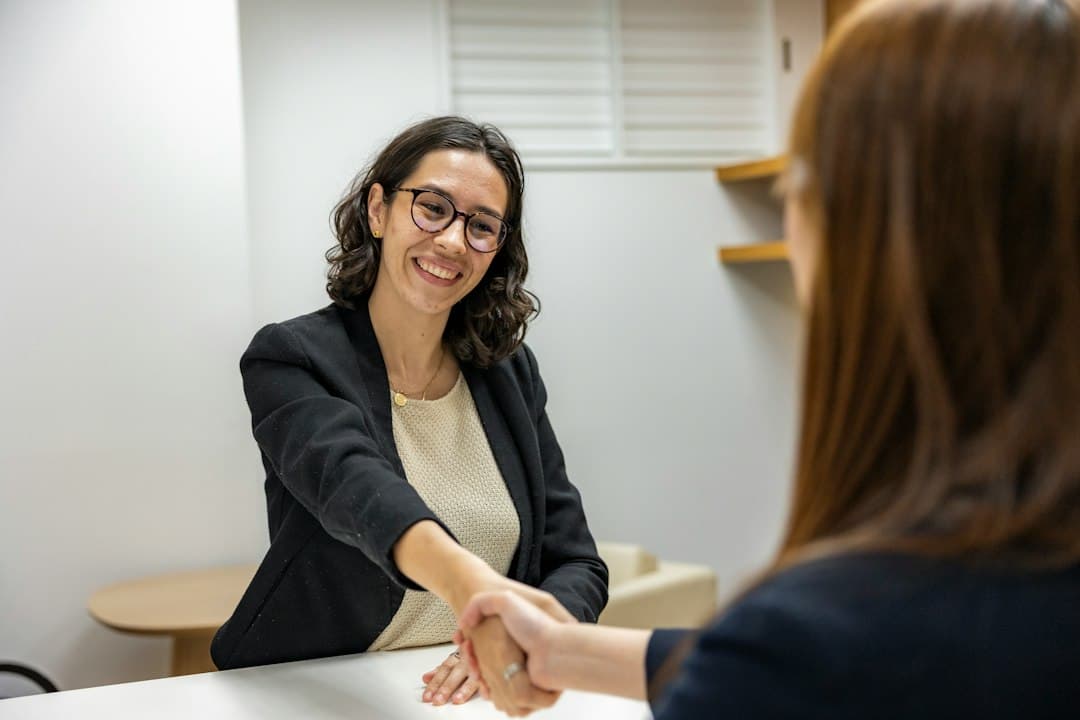
Your first impression is formed within seconds. Greet your interviewer with a confident smile and, if in-person, a firm handshake. Maintain consistent eye contact throughout the conversation, as this conveys confidence and engagement. Sit up straight, lean slightly forward, and avoid fidgeting to project attentiveness.
Positive body language signals enthusiasm and professionalism. Conversely, poor body language can communicate disinterest or nervousness, regardless of what you're saying. Be mindful of your posture, hand gestures, and facial expressions.
Good Body Language | Bad Body Language |
|---|---|
Consistent, natural eye contact | Avoiding eye contact or staring intensely |
Upright posture, slightly leaning forward | Slouching, leaning back too far |
Open hand gestures, palms visible | Crossed arms, fidgeting with hands |
Nodding to show active listening, genuine smiles | Blank expression, forced smiles, looking bored |
Minimal, purposeful movements | Tapping feet, clicking pen, playing with hair |
Clear Communication and the STAR Method
Listen carefully to each question before you answer. Take a moment to collect your thoughts if needed. Provide clear, concise answers, avoiding rambling or going off-topic. Direct answers demonstrate your ability to communicate effectively and respect the interviewer's time.
When faced with behavioral questions, deploy the STAR method. For example, if asked about a time you handled a difficult client: Situation: "At my previous role, I had a client who was consistently unhappy with project progress, despite meeting all deadlines."Task: "My task was to de-escalate the situation and regain their trust while ensuring project continuity."Action: "I scheduled a dedicated call, listened actively to their concerns without interruption, and then proposed a revised communication plan with weekly check-ins and a shared progress dashboard. I also brought in a senior team member for a joint review."Result: "Within two weeks, the client's satisfaction improved significantly, and we successfully completed the project on time, leading to them renewing their contract for the following year."
Handling Unexpected or Difficult Questions
It's inevitable that you'll encounter questions you haven't explicitly prepared for. When this happens, don't panic. Take a breath, and if necessary, ask for a moment to think. You can also rephrase the question to ensure you understand it correctly: "If I understand correctly, you're asking about..."
For questions like "What's your biggest weakness?", choose a genuine, non-critical weakness and immediately follow it with the steps you're taking to improve it. This demonstrates self-awareness and a commitment to growth. Never claim you have no weaknesses; it comes across as disingenuous.
💡 Tip: If you truly draw a blank, it's better to say, "That's a great question, let me think for a moment," than to stumble through a disorganized answer. A thoughtful pause is always preferable to rambling.
Asking the Right Questions: What to Inquire About
Asking thoughtful questions demonstrates your engagement and helps you assess if the role is a good fit. Focus on questions about team dynamics, company culture, growth opportunities, and specific challenges of the role. If not addressed, strategically inquire about compensation and benefits to gather crucial information for your decision-making.
Insightful Questions About the Role, Team, and Culture
Your questions should reflect your genuine interest and critical thinking. Instead of asking what the company does, ask about their biggest challenges or recent successes. Inquire about the team you'd be joining: "How does this team typically collaborate on projects?" or "What's the team's biggest priority right now?"
To understand the company culture, ask: "How would you describe the company culture here?" or "What opportunities are there for professional development and growth within the company?" These questions provide insight into the daily work environment and your potential for advancement.
Questions About Growth and Challenges
Demonstrate your forward-thinking mindset by asking about growth. "What does success look like in this role in the first 6-12 months?" or "What are the biggest challenges someone in this position might face?" These questions show you're thinking about long-term impact and problem-solving.
Also, consider asking about the company's future direction: "Where do you see the company heading in the next five years, and how does this role contribute to that vision?" This positions you as someone interested in more than just the immediate tasks.
Strategically Inquiring About Salary and Benefits
It's generally best to let the interviewer bring up compensation first. However, if the interview is nearing its end and salary hasn't been mentioned, you can strategically inquire. A polite way to do this is: "Could you share more about the compensation structure and benefits package for this role?"
Avoid making salary your first or only question. Frame it as part of understanding the complete opportunity. If they ask for your expectations, provide a range based on your research and experience, rather than a single number. Ensure your online presence is consistent and professional by optimizing your LinkedIn profile, as recruiters often check it.
After the Interview: Effective Follow-Up and Next Steps
After your interview, send a personalized thank-you note within 24 hours, reiterating your interest and referencing specific points from your conversation. Understand the next steps in the hiring process, including timelines for feedback. Maintain professionalism and patience as you await their decision, and be prepared for potential follow-up interviews.
Personalized Thank-You Notes
A personalized thank-you note is not optional; it's a critical part of job interview etiquette. Send it within 24 hours of your interview. Address each interviewer individually if you spoke with multiple people, and reference specific topics discussed with them.
Reiterate your enthusiasm for the role and briefly mention how your skills align with a particular challenge or opportunity discussed. This reinforces your suitability and reminds them of your conversation. Job seekers who send a thank-you note after an interview are more likely to be hired, according to Indeed.
Understanding Next Steps and Timelines
Before ending the interview, always ask about the next steps in the hiring process and the expected timeline for feedback. This manages your expectations and provides a clear understanding of when and how to follow up if you don't hear back.
If the stated timeline passes without communication, a polite follow-up email is appropriate. Avoid being overly persistent or demanding. A single, professional check-in is usually sufficient.
Maintaining Professionalism
The post-interview phase requires patience and continued professionalism. Avoid contacting the company excessively. Continue your job search actively, rather than putting all your hopes on one opportunity. This keeps your options open and reduces anxiety.
If you receive an offer, take the time to review it thoroughly before accepting or negotiating. If you don't receive an offer, consider politely asking for feedback to improve your future interview performance.
Common Interview Mistakes to Avoid
Avoid common pitfalls such as failing to research the company, speaking negatively about past employers, arriving unprepared, or not asking thoughtful questions. Other mistakes include poor body language, providing generic answers, and neglecting to send a personalized thank-you note, all of which can hinder your chances of landing the role.
Lack of Research and Understanding
One of the biggest interview mistakes is failing to thoroughly research the company and the specific role. Many hiring managers say that the lack of research about the company is one of the biggest interview mistakes candidates make, according to Glassdoor. This signals a lack of genuine interest and effort. Interviewers can easily spot generic answers that aren't tailored to their organization.
Not understanding the job description means you can't effectively articulate how your skills align. This leads to vague responses and missed opportunities to highlight relevant experience.
Negative Comments and Poor Body Language
Never speak negatively about past employers, colleagues, or managers. This reflects poorly on you, not them, and raises red flags about your professionalism and ability to work in a team. Focus on what you learned and how you grew from previous experiences.
Generic Answers and Lack of Engagement
Providing generic, canned answers without specific examples is a common pitfall. Interviewers want to hear about your unique experiences and how you applied your skills. Always use the STAR method to back up your claims with concrete situations, actions, and results.
Failing to ask thoughtful questions at the end of the interview is another mistake. It suggests a lack of curiosity or engagement with the role and company. Conversely, asking insightful questions demonstrates your critical thinking and genuine interest.
Forgetting the Follow-Up
Neglecting to send a personalized thank-you note is a missed opportunity to reinforce your interest and professionalism. A generic thank-you email is better than nothing, but a tailored message that references specific conversation points will make a much stronger impression.
⚠️ Warning: Many hiring managers consider soft skills as important as hard skills. Your ability to communicate, show enthusiasm, and demonstrate professionalism through your actions and follow-up can be the deciding factor, even if your technical skills are strong.
Your Next Step to Interview Success
Mastering the job interview process requires dedication, strategic preparation, and confident execution. By applying these job interview tips, you'll not only answer questions effectively but also demonstrate your enthusiasm, professionalism, and genuine fit for the role and company.
Don't leave your interview success to chance. Take the time to prepare thoroughly, practice your responses, and refine your communication. For personalized guidance and to further hone your interview skills, consider exploring career mentorship through Placed. Our coaches can provide tailored feedback and strategies to help you confidently navigate any interview scenario and secure your next career opportunity.
🎯 Key Takeaways
Thorough preparation, including company research and practicing answers, is non-negotiable for interview success.
Making a strong first impression involves confident body language, active listening, and clear communication.
Asking insightful questions demonstrates genuine interest and helps you evaluate the role and company culture.
A personalized thank-you note within 24 hours can significantly boost your chances.
Leverage AI tools for mock interviews and resume optimization, but always personalize the content.
Avoid common mistakes like speaking negatively about past employers or failing to ask questions.
Frequently Asked Questions
What are the most important things to do before a job interview?
Before a job interview, thoroughly research the company's mission, values, recent news, and the specific role's requirements. Review your own resume and the job description to anticipate questions and prepare specific examples using the STAR method. Plan your outfit, confirm logistics (especially for virtual interviews), and consider using AI tools for mock interview practice to refine your responses and delivery.
How can I make a great first impression in an interview?
A great first impression starts with punctuality, professional attire, and confident body language. Offer a firm handshake (if in-person), maintain consistent eye contact, and smile genuinely. Speak clearly and enthusiastically, demonstrating active listening and respect for the interviewer's time. Your initial greeting and demeanor set the tone for the entire conversation.
What are some smart questions to ask the interviewer?
Smart questions demonstrate your engagement and critical thinking. Focus on the role's challenges, team dynamics, company culture, and growth opportunities. Examples include: "What does a typical day look like for someone in this role?" or "How does the team collaborate on projects?" Avoid questions easily answered by the company website, and strategically inquire about compensation if it hasn't been discussed by the end of the interview.
Is it really necessary to send a thank-you note after an interview?
Yes, sending a personalized thank-you note is crucial. It reiterates your interest, professionalism, and attention to detail. A prompt thank-you (within 24 hours) allows you to re-emphasize key qualifications, clarify any points, and remind the interviewer of your conversation. Candidates who send thank-you notes are often viewed more favorably.
What should I absolutely NOT do during a job interview?
Absolutely avoid speaking negatively about past employers or colleagues, arriving late, or being unprepared to discuss your experience. Do not give generic answers, check your phone, or fail to ask any questions. Poor body language, such as slouching or fidgeting excessively, can also detract from your professional image.
How can I prepare for an interview if it's virtual or uses AI?
For virtual interviews, test your technology (camera, microphone, internet) beforehand, ensure a clean and professional background, and minimize distractions. For AI interviews, understand they often assess keywords, tone, and facial expressions. Practice with AI mock interview platforms to get comfortable with the format and receive feedback on your responses and non-verbal cues. Record yourself and review for clarity and confidence.
What are the best AI tools to help with interview preparation?
Several AI tools can assist with interview preparation. AI mock interview platforms simulate real interviews, providing feedback on your answers, pacing, and even eye contact. AI resume builders and keyword checkers can help you tailor your resume to specific job descriptions, ensuring you highlight relevant skills. Some tools also offer AI-powered feedback on your elevator pitch or behavioral responses.
How can I use the STAR method effectively in an interview?
The STAR method (Situation, Task, Action, Result) is effective for answering behavioral questions. Start by describing the 'Situation' or 'Task' you faced. Then, detail the specific 'Actions' you took to address it. Finally, explain the positive 'Result' of your actions, quantifying it whenever possible. This structured approach ensures your answers are comprehensive, relevant, and impactful.
What's the best way to answer 'What's your biggest weakness?'
When asked about your biggest weakness, choose a genuine weakness that is not critical to the job and frame it positively. Describe the weakness, explain what steps you are actively taking to improve it, and demonstrate how you've already seen progress. For example, "I used to struggle with delegating tasks, but I've been actively working on trusting my team more and empowering them, which has improved project efficiency."
How do I know what to wear for a job interview?
Research the company culture to gauge appropriate attire. For most professional roles, business professional (suit, tie, dress shirt for men; suit, dress, or skirt and blouse for women) is safe. For more casual environments, business casual (slacks, collared shirt, blouse) might be acceptable. When in doubt, it's always better to be slightly overdressed than underdressed. Ensure your clothes are clean, pressed, and fit well.
What should I do if I don't hear back after an interview?
If you don't hear back within the communicated timeline, send a polite follow-up email to the hiring manager or recruiter. Reiterate your interest and briefly inquire about the status of your application. Avoid multiple follow-ups within a short period. If you still don't hear back after a reasonable time, it's wise to continue your job search, but keep the door open for future opportunities.
Can AI help me tailor my resume for an interview?
Yes, AI can significantly help tailor your resume for an interview. AI-powered resume review tools can analyze your resume against a specific job description, identifying missing keywords and suggesting improvements to better align your experience with the role's requirements. This optimization helps your resume pass ATS scans and highlights your most relevant qualifications for the interviewer.