Published in Interview Preparation
Interview Prep Template: Ace Your Entry-Level Role
A comprehensive guide for entry-level professionals to master interview preparation and land their dream job.
PE
By Placed Editorial
10 min read
Securing your first professional role can feel like navigating a maze, and the job interview is often the trickiest part. A well-structured interview prep template for candidates isn't just a guide; it's your strategic roadmap to demonstrating confidence, competence, and genuine fit. It helps you organize your thoughts, anticipate questions, and articulate your unique value in a way that resonates with hiring managers, turning a stressful experience into a confident conversation.
Why a Strategic Interview Prep Template is Your Secret Weapon
A strategic interview prep template is more than a checklist; it's a structured approach to anticipate, articulate, and impress. It helps you organize your thoughts, tailor your responses to the specific role and company, and confidently showcase your skills and potential. This preparation minimizes anxiety and maximizes your ability to present your best self, turning an interview into a genuine conversation.
Many entry-level professionals approach interviews with a generic mindset, hoping their enthusiasm will carry them through. However, a strategic interview prep goes deeper. It involves understanding the hiring manager's perspective: they are looking for specific skills, cultural fit, and a clear understanding of how you can contribute to their team. By systematically preparing, you transform from a hopeful applicant into a compelling candidate who has clearly thought about the role and their place within it.
🧠 Expert Insight: "Recruiters can spot generic answers a mile away. A candidate who has clearly tailored their preparation to our specific needs, even for an entry-level role, immediately stands out as someone who takes initiative and is genuinely interested."
Organization is paramount for a memorable interview. When you have a clear template, you reduce the mental load of trying to remember everything on the spot. This allows you to focus on actively listening to the interviewer and engaging in a more natural, authentic dialogue. It’s about being prepared enough that you can relax and be yourself, rather than simply reciting memorized lines.
Deconstructing the Job: Tailoring Your Template for Impact
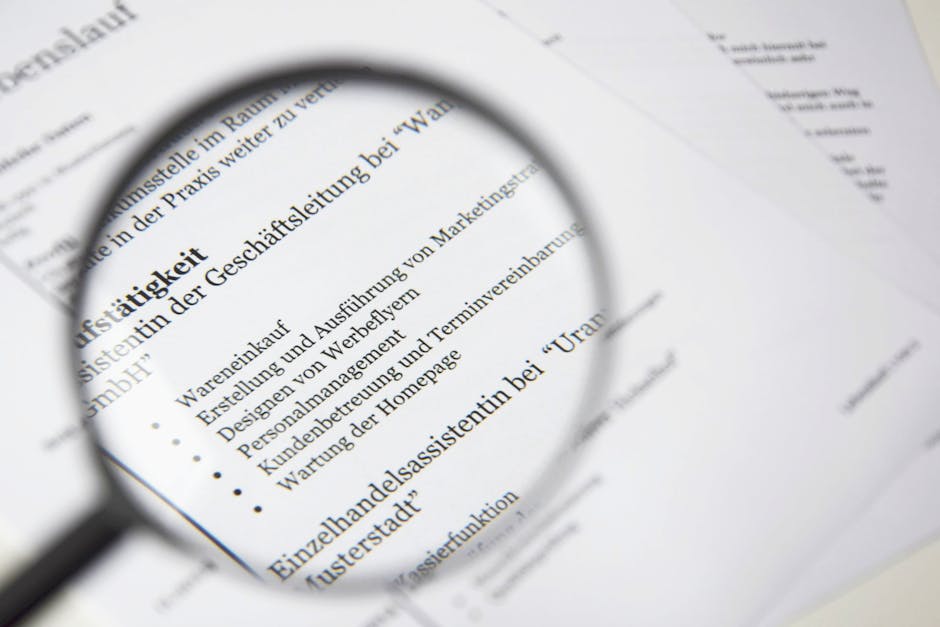
Effective interview preparation begins with a deep dive into the job description. Break down key responsibilities, required skills, and desired qualifications. This analysis allows you to identify specific areas where your experience aligns and helps you predict potential interview questions, ensuring your template is highly relevant and targeted to what the hiring team is truly seeking.
Think of the job description as your cheat sheet. Each bullet point is a potential interview question or a skill they're looking to assess. Your task is to map your skills and experiences directly to these requirements. If the job asks for "strong communication skills," think of specific examples from your academic projects, volunteer work, or part-time jobs where you demonstrated this. Don't just list your skills; show how you've applied them.
📋 Job Description Dissection Checklist
- Identify keywords and phrases used repeatedly. These are often core competencies.
- Highlight required technical skills and software. Be ready to discuss your proficiency.
- Note desired soft skills (e.g., teamwork, problem-solving, adaptability).
- Research the company's mission, values, and recent news. How do they align with your own?
- Look up the interviewer(s) on LinkedIn. Understanding their background can help you tailor your questions and responses.
By conducting this thorough research, you're not just preparing for generic questions; you're anticipating the specific needs of this role and company. This level of tailored preparation signals genuine interest and a proactive approach, which is highly valued by hiring managers, especially for entry-level positions where potential and attitude are key.
Your Comprehensive Interview Prep Template: Sections & Strategy
Our comprehensive interview prep template is designed to guide you through every critical aspect of preparation, from self-assessment to post-interview follow-up. It includes sections for company research, common and behavioral questions, your unique selling points, and questions to ask the interviewer. Each part is crucial for building a well-rounded and confident interview performance.
This template is your living document, meant to be updated and refined for each interview. It ensures you cover all bases, from understanding the company's culture to articulating your career goals. From a hiring manager's perspective, a candidate who touches on these areas demonstrates foresight and a holistic understanding of what it means to join a team.
Interview Prep Template Outline
| Section | Purpose & Strategy | Key Content to Prepare | |
|---|---|---|---|
| 1. Company & Role Research | Demonstrate understanding of the company, its mission, and the role's fit. | Company values, recent news, industry trends, job description breakdown, team structure. | |
| 2. Your Story & Strengths | Articulate your unique value proposition, why you're a good fit, and your aspirations. | Elevator pitch, 3-5 key strengths with examples, 3-5 key accomplishments, career goals. | |
| 3. Anticipated Questions & STAR Method Answers | Prepare structured answers for common, behavioral, and technical questions. | "Tell me about yourself," "Why this company?" "Why this role?" behavioral questions (STAR), technical questions. | |
| 4. Questions for the Interviewer | Show engagement, critical thinking, and genuine interest beyond the surface. | 2-3 strategic questions about team culture, growth, challenges, or company vision. | |
| 5. Logistics & Follow-Up Plan | Ensure smooth interview day and reinforce your candidacy post-interview. | Interview details (time, platform, interviewer names), thank-you note draft, follow-up timeline. |
Each section is vital. Section 1 (Company & Role Research) ensures you speak their language. Section 2 (Your Story & Strengths) helps you articulate your personal brand. Section 3 (Anticipated Questions) tackles the core of the interview, while Section 4 (Questions for the Interviewer) turns the tables and shows your proactive nature. Finally, Section 5 (Logistics & Follow-Up Plan) ensures professionalism from start to finish.
Mastering Behavioral Questions with the STAR Method
Behavioral questions, often starting with 'Tell me about a time when...', assess your past actions to predict future performance. The STAR method (Situation, Task, Action, Result) provides a clear, concise framework for structuring your answers, ensuring you provide relevant examples that highlight your skills and problem-solving abilities. Practice using this method to turn your experiences into compelling narratives.
Recruiters ask behavioral questions because they believe past behavior is the best predictor of future performance. They want to understand how you handle real-world situations, not just theoretical ones. For entry-level professionals, this means drawing on experiences from academic projects, internships, volunteer work, or even part-time jobs. The key is to demonstrate specific skills like teamwork, problem-solving, leadership, or adaptability.
🚀 Pro Tip: The STAR Method in Action
- Situation: Briefly describe the context or background of the event. Set the scene for your story.
- Task: Explain your specific responsibility or goal within that situation. What needed to be done?
- Action: Detail the steps you personally took to address the task. Use "I" statements.
- Result: Describe the outcome of your actions. What did you achieve? Quantify if possible.
For example, if asked about a time you faced a challenge, an entry-level candidate might say: "Situation: During a group project, one team member wasn't contributing. Task: My goal was to ensure we met our deadline and delivered a quality presentation. Action: I initiated a private conversation with the team member to understand their difficulties and then proposed reassigning some tasks to better balance the workload. I also offered to help them with a challenging section. Result: As a result, they felt supported, contributed effectively, and we submitted a well-received project on time." Practicing these narratives ensures you don't stumble and provide a complete, impactful answer.
Beyond the Template: Practice, Refine, and Perform

A template is a tool, but true mastery comes from practice and refinement. Regularly review your prepared answers, practice speaking them aloud, and consider conducting mock interviews. This iterative process helps you internalize your responses, identify areas for improvement, and ensures you deliver your message authentically and confidently during the actual interview, rather than sounding robotic.
Simply filling out a template isn't enough; you need to bring your answers to life. Practicing out loud helps you hear how your responses sound, identify awkward phrasing, and ensure you can articulate your points smoothly. It also builds muscle memory, so you're less likely to freeze under pressure. Recording yourself, even just on your phone, provides invaluable self-critique opportunities, allowing you to observe your body language, tone, and pacing.
✅ Best Practices for Interview Performance
- Conduct Mock Interviews: Ask a friend, mentor, or use a service like Placed's mock interview feature. Real-time feedback is crucial for refining your delivery.
- Refine Answers Iteratively: After each practice session or mock interview, tweak your answers based on feedback. Are they concise? Do they highlight your strengths?
- Manage Nerves: Practice deep breathing, visualize success, and arrive early. Remember, a little nervousness is normal and can even sharpen your focus.
- Active Listening: During the interview, truly listen to the questions. Don't just wait for your turn to speak. Ask clarifying questions if needed.
- Show Enthusiasm: Your passion for the role and the company can be as impactful as your skills, especially for entry-level positions.
Remember, the goal isn't to memorize a script but to internalize the core messages and examples so you can adapt them naturally to the flow of conversation. This approach allows you to connect genuinely with the interviewer and showcase your authentic self.
🎯 Key Takeaways: Your Path to Interview Success
- A customized interview prep template is essential for entry-level professionals to stand out.
- Thorough research into the company and job description underpins effective preparation.
- The STAR method provides a powerful framework for answering behavioral questions with impact.
- Consistent practice, including mock interviews, is key to confident and authentic delivery.
- Asking strategic questions demonstrates genuine interest and critical thinking.
- A thoughtful follow-up plan reinforces your professionalism and candidacy.
Frequently Asked Questions
What is the best way to start preparing for an interview?
The best way to start is by thoroughly analyzing the job description and researching the company's mission and values. This foundation helps you tailor your resume and answers, predict potential questions, and understand what the hiring team is truly seeking in a candidate. It sets the stage for all subsequent preparation.
How can I avoid sounding rehearsed during an interview?
To avoid sounding rehearsed, focus on understanding the core principles behind your answers rather than memorizing exact phrases. Practice speaking your points aloud, using different wording each time. Engage in mock interviews to get comfortable articulating your thoughts naturally, allowing for flexibility and genuine conversation.
What should I include in my interview prep template for entry-level roles?
An entry-level interview prep template should include sections for company research, a self-assessment of your skills and accomplishments, anticipated common and behavioral questions with STAR method answers, strategic questions to ask the interviewer, and a plan for follow-up. This ensures comprehensive coverage.
How do I prepare for behavioral questions if I have limited work experience?
Even with limited work experience, you have valuable stories. Draw on examples from academic projects, volunteer work, internships, or part-time jobs. Focus on situations where you demonstrated transferable skills like teamwork, problem-solving, leadership, or adaptability, and structure your responses using the STAR method.
What kind of questions should I ask the interviewer?
Ask questions that demonstrate genuine interest, critical thinking, and an understanding of the role and company culture. Examples include questions about team dynamics, opportunities for growth, typical challenges in the role, or the company's future direction. Avoid questions easily answered on their website or about salary/benefits in the first interview.
Is it necessary to practice my answers out loud?
Yes, practicing your answers out loud is highly recommended. It helps you identify awkward phrasing, improve your articulation, and ensure your responses flow naturally. This practice builds confidence and reduces the likelihood of stumbling or freezing during the actual interview, allowing you to focus on engaging with the interviewer.
Mastering the interview process is a skill that develops with practice and strategic preparation. Utilize this interview prep template for candidates to organize your thoughts, articulate your value, and confidently step into your next opportunity. If you're looking for personalized guidance or want to fine-tune your interview skills, consider connecting with a career coach through Placed.
Related Articles

Interview Preparation
The Ultimate Guide to Acing Your Job Interview
Interview Preparation
Mastering Interview Dynamics: A Comprehensive Preparation Guide
Interview Preparation
Proven Interview Strategies: Unlock Your Next Career Opportunity

Interview Preparation
Interview Preparation: Acing Your First Job Interview

Interview Preparation
Best Interview Preparation Tips for Entry-Level Success

Interview Preparation
How to Start Interview Preparation: Your Entry-Level Roadmap

Interview Preparation
How to Interview for Podcast: Master Engaging Conversations

Interview Preparation
Interview Preparation Examples: Ace Your Next Job Interview

Interview Preparation
Interview Preparation Tips for Mid-Level Professionals

Interview Preparation
How to Master Interview Questions: Your Entry-Level Blueprint

Interview Preparation
How to Interview: Essential Tips for Entry-Level Success

Interview Preparation
Best Interview Preparation for Mid-Level Career Growth

Interview Preparation
How to Start Interview as Interviewer: Your Strategic Guide

Interview Preparation
Best Interview Preparation Course: Mid-Career Growth

Interview Preparation
How to Interview the Interviewer: Your Strategic Guide

Interview Preparation
How to Interview Prep: Your Essential Guide for Entry-Level Success
Interview Preparation
Best Interview Preparation Websites for Entry-Level Success

Interview Preparation
Interview Questions Examples: Ace Your Entry-Level Job Interview

Interview Preparation
Interview Answers Examples: Mastering Mid-Level Roles

Interview Preparation