Published in Interview Preparation
Best Interview Preparation Course: Mid-Career Growth
Discover how to strategically choose an interview preparation course that elevates your career.
PE
By Placed Editorial
10 min read
As a mid-level professional, finding the best interview preparation course is a strategic step towards unlocking your next career opportunity. You've built a solid foundation, but advancing to leadership roles or transitioning to a new industry demands a refined approach to interviewing. Generic advice often falls short when you need to articulate complex experiences, demonstrate strategic thinking, and showcase your leadership potential.
Why Invest in an Interview Preparation Course Now?
For mid-level professionals, an interview preparation course is a strategic investment to refine advanced communication skills, articulate complex experiences, and confidently navigate competitive hiring processes. It helps bridge skill gaps, provides structured practice, and offers expert feedback crucial for securing promotions or transitioning to higher-impact roles, ensuring your experience translates into compelling interview performance.
You've likely reached a point where your career trajectory requires more than just showing up. The challenges you face in interviews now involve demonstrating leadership, strategic thinking, and the ability to manage teams. A structured course moves beyond basic interview tips, providing a framework to master complex behavioral questions and case interviews. This investment delivers a significant return by equipping you to confidently pursue promotions or new opportunities, addressing any fear of stagnation.
🧠 Expert Insight: Many mid-level professionals underestimate the shift in interview expectations. What got you your first job won't necessarily secure your next leadership role. Interviewers are looking for impact, influence, and foresight.
The Unique Challenges of Mid-Level Interviews
At the mid-level, interviews delve deeper than just your technical skills. Hiring managers are assessing your ability to lead projects, mentor junior colleagues, and contribute to the company's strategic vision. You're expected to provide detailed examples of problem-solving, conflict resolution, and driving results. A dedicated course helps you structure these narratives effectively, often using frameworks like the STAR method to present your experience clearly and concisely.
Pros and Cons of Interview Prep Courses
| Pros of Interview Prep Courses | Cons to Consider |
|---|---|
| ✅ Structured learning path for complex topics | 💰 Can be a financial investment |
| ✅ Personalized feedback from experts | ⏳ Requires dedicated time commitment |
| ✅ Practice with modern interview formats | 💡 Value varies by course quality |
| ✅ Boosts confidence and reduces anxiety | ❌ Not a substitute for genuine experience |
| ✅ Tailored strategies for career advancement |
What Makes an Interview Preparation Course 'The Best' for You?
The 'best' interview preparation course isn't universal; it's the one that aligns perfectly with your specific career goals, industry, and current skill level. It should offer tailored content, opportunities for personalized feedback, and practical strategies for the types of interviews you'll face. Consider factors like instructor expertise, course format, and the depth of its resources to ensure it meets your individual needs.
Defining 'best' means looking inward first. Are you aiming for a promotion in your current field, or are you a career changer targeting a new industry? Your specific interview weaknesses, whether it's articulating leadership potential or navigating technical questions, will guide your choice. For instance, a software engineer preparing for FAANG interviews will need a different course than a marketing manager seeking a director role. Industry-specific content is crucial here; a general course won't cover the nuances of case interviews in consulting or behavioral questions for product managers.
Identifying Your Interview Strengths and Weaknesses
Before selecting a course, take an honest assessment of your interview performance. Have you struggled with specific question types, like behavioral questions asking about past challenges, or perhaps you find technical questions particularly daunting? Recognizing these areas allows you to seek out courses that specifically address those gaps, rather than reviewing what you already know. Many platforms offer initial assessments or diagnostic quizzes to help pinpoint where you need the most support.
Types of Interview Preparation Courses: Which One Suits Your Goals?

Interview preparation courses come in various formats, including self-paced online modules, live group workshops, and one-on-one coaching. Self-paced options offer flexibility for busy schedules, while live workshops provide interactive learning. One-on-one coaching, often the most effective for mid-level professionals, delivers highly personalized feedback and strategic guidance tailored to your unique career trajectory and target roles.
Choosing the right format depends on your learning style, schedule, and budget. Self-paced online courses from platforms like Coursera, edX, Udemy, or LinkedIn Learning offer comprehensive content you can access anytime, anywhere. These are great for foundational knowledge but often lack personalized feedback. Live group workshops provide interactive practice and peer learning, which can be motivating. However, for mid-level professionals targeting competitive roles, one-on-one interview coaching offers unparalleled value, providing bespoke strategies and direct feedback crucial for refining your approach.
Comparison of Interview Course Formats
| Course Type | Best For | Key Features | Considerations |
|---|---|---|---|
| Self-Paced Online Courses | Flexible learners, foundational knowledge, budget-conscious | Video lectures, practice questions, templates | Limited personalized feedback, requires self-discipline |
| Live Group Workshops | Interactive learning, peer feedback, structured schedule | Group mock interviews, Q&A sessions, networking | Less personalized, schedule rigidity, varied participant levels |
| One-on-One Coaching | Targeted roles, specific weaknesses, senior positions | Customized curriculum, in-depth mock interviews, direct feedback | Higher investment, requires active engagement |
| Hybrid Models | Balanced approach, combines flexibility with personalized touch | Mix of online modules and coaching sessions | Cost can vary, balancing self-study with scheduled sessions |
| Specialized Courses | Technical interviews (e.g., software engineering), case interviews (e.g., consulting) | Industry-specific content, expert instructors in the field | Niche focus, may not cover broader interview skills |
Essential Features to Look for in a Top Interview Prep Course

A truly effective interview preparation course for mid-level professionals should include comprehensive modules on behavioral questions, strategic thinking, and leadership scenarios. Look for courses offering realistic mock interviews with constructive feedback, access to experienced career coaches, and resources for salary negotiation and post-interview follow-up. Practical examples and actionable strategies are paramount for tangible improvement.
When evaluating courses, prioritize those that offer robust mock interviews with personalized feedback. This is where you get to practice under pressure and receive constructive criticism on your communication skills, body language, and content. The curriculum depth should cover not just common behavioral questions but also situational, technical, and strategic questions relevant to your target roles. Instructor credentials are also vital; seek out courses led by former recruiters or hiring managers who understand the hiring process from the inside. Don't overlook resources for salary negotiation and post-interview strategy, as these are critical final steps in securing an offer.
📋 Checklist: What to Look for in Your Interview Prep Course
- ✅ Personalized Mock Interviews: At least 2-3 sessions with detailed feedback.
- ✅ Comprehensive Curriculum: Covers behavioral, technical, and strategic questions.
- ✅ Expert Instructors: Professionals with recruitment or hiring experience.
- ✅ Industry-Specific Content: Tailored modules for your target sector (e.g., tech, finance).
- ✅ Salary Negotiation Training: Strategies to confidently discuss compensation.
- ✅ Post-Interview Follow-Up Guidance: Crafting impactful thank-you notes.
- ✅ Flexible Scheduling: Options that fit your busy mid-career life.
- ✅ Access to Resources: Templates, guides, and example answers.
Maximizing Your Investment: Getting the Most Out of Your Course
To maximize your investment in an interview preparation course, actively engage with all materials, practice consistently, and apply feedback diligently. Don't just consume content; participate in mock interviews, record yourself, and critically analyze your responses. Integrate learnings with your personal experiences and continuously refine your storytelling to present a compelling narrative that showcases your unique value and leadership potential.
Passive learning is the enemy of progress. Instead of just watching videos, practice your responses out loud, record them, and critically review your performance. Pay close attention to the feedback you receive during mock interviews – it's your opportunity to identify blind spots and refine your delivery. Apply the interview techniques and frameworks taught in the course to real-world scenarios and specific job applications. Consistent practice, especially for behavioral questions and case interviews, builds confidence and ensures your answers are polished and impactful.
✅ Best Practice: Active Engagement Strategies
- Schedule Dedicated Practice Time: Treat interview prep like a project, allocating regular slots in your calendar.
- Record and Review Yourself: Use video or audio to critique your non-verbal communication and verbal clarity.
- Seek Diverse Feedback: In addition to course instructors, ask trusted peers or mentors for their input.
- Tailor Responses: Customize your answers to the specific company and role, showing genuine interest and fit.
- Reflect on Every Session: After each mock interview or practice, note down what went well and what needs improvement.
Integrating Interview Prep with Your Broader Career Strategy
An interview preparation course is most effective when integrated into a holistic career strategy. Ensure your resume and cover letter reflect the skills you'll highlight in interviews, and optimize your LinkedIn profile to align with your career goals. Consider how interview coaching complements broader mentorship, creating a cohesive narrative across all your professional touchpoints for maximum impact.
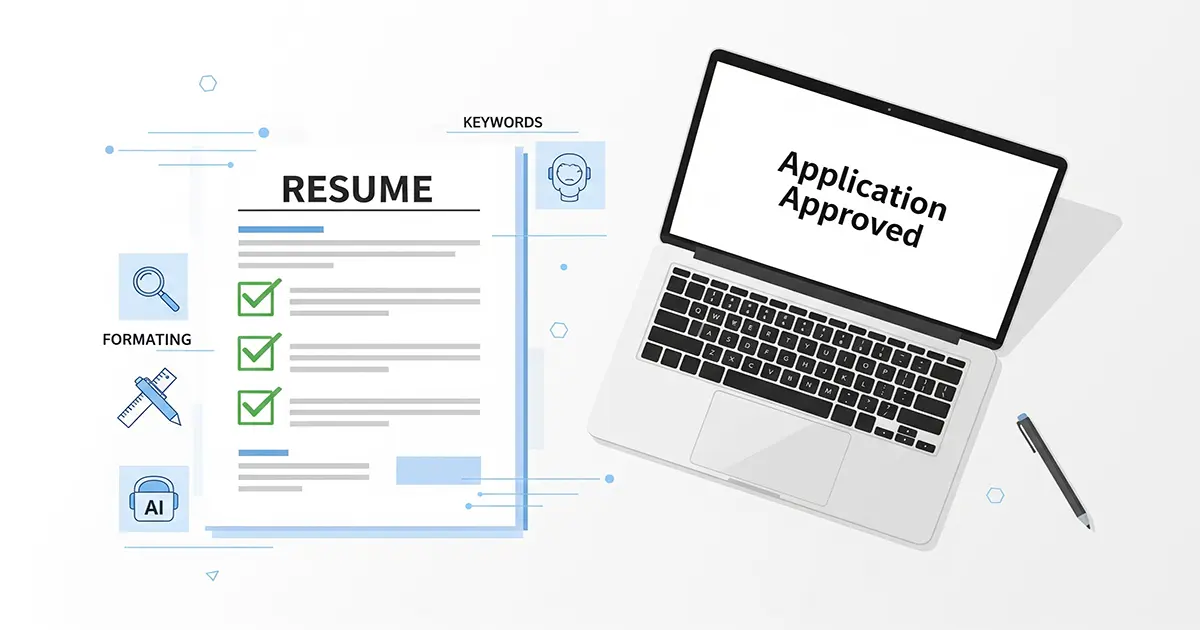
Your interview performance doesn't exist in a vacuum. It's an extension of your overall professional brand. Make sure your resume is not only ATS-optimized but also clearly articulates the achievements and skills you plan to discuss in interviews. Our AI Resume Review can help ensure your document is compelling. Similarly, your LinkedIn profile should tell a consistent story, reinforcing your expertise and career aspirations. A well-crafted cover letter can set the perfect stage, introducing your unique value proposition before the interview even begins. All these elements, combined with targeted interview preparation, create a powerful, cohesive application.
🎯 Key Takeaways: Your Path to Interview Success
- Choosing the best interview preparation course is a personalized journey that empowers mid-level professionals to confidently navigate complex hiring landscapes.
- By focusing on tailored content, expert feedback, and consistent practice, you can transform your interview performance.
- Remember, this investment is a critical step in advancing your career, ensuring your valuable experience shines through and secures your next opportunity.
Frequently Asked Questions
What's the difference between a generic course and one for mid-level professionals?
A generic course often covers basic interview etiquette and common questions, suitable for entry-level candidates. Courses for mid-level professionals delve into advanced topics like strategic thinking, leadership scenarios, and managing teams, offering deeper insights and more sophisticated practice tailored to complex roles and higher expectations.
How important are mock interviews in an interview preparation course?
Mock interviews are incredibly important, especially for mid-level professionals. They provide a safe space to practice, receive personalized feedback on your communication skills, body language, and content, and refine your answers under pressure. This practical application is crucial for improving performance beyond theoretical knowledge.
Can an interview preparation course help with technical or case interviews?
Yes, many specialized interview preparation courses are designed specifically for technical or case interviews. These courses often have instructors with direct experience in those fields (e.g., software engineers for technical interviews, consultants for case interviews) and provide targeted practice with relevant problems and frameworks.
Is it worth investing in a paid interview preparation course?
For mid-level professionals aiming for significant career advancement or a competitive transition, a paid interview preparation course can be a highly worthwhile investment. The personalized feedback, expert guidance, and structured approach can significantly improve your chances of securing desirable roles, offering a strong return on investment for your career growth.
How long should I spend preparing for an interview with a course?
The ideal duration for interview preparation with a course varies, but consistent effort over several weeks is often more effective than last-minute cramming. Mid-level professionals might benefit from 4-8 weeks of structured practice, allowing time to absorb content, complete mock interviews, and integrate feedback effectively into their responses.
Ready to take the next step in your career? Explore how a personalized career coach can guide you through selecting the best interview preparation course and refine your strategy for success.
Related Articles

Interview Preparation
The Ultimate Guide to Acing Your Job Interview
Interview Preparation
Mastering Interview Dynamics: A Comprehensive Preparation Guide
Interview Preparation
Proven Interview Strategies: Unlock Your Next Career Opportunity

Interview Preparation
Interview Preparation: Acing Your First Job Interview

Interview Preparation
Best Interview Preparation Tips for Entry-Level Success

Interview Preparation
How to Start Interview Preparation: Your Entry-Level Roadmap

Interview Preparation
How to Interview for Podcast: Master Engaging Conversations

Interview Preparation
Interview Preparation Examples: Ace Your Next Job Interview

Interview Preparation
Interview Preparation Tips for Mid-Level Professionals

Interview Preparation
How to Master Interview Questions: Your Entry-Level Blueprint

Interview Preparation
How to Interview: Essential Tips for Entry-Level Success

Interview Preparation
Best Interview Preparation for Mid-Level Career Growth

Interview Preparation
How to Start Interview as Interviewer: Your Strategic Guide

Interview Preparation
How to Interview the Interviewer: Your Strategic Guide

Interview Preparation
How to Interview Prep: Your Essential Guide for Entry-Level Success
Interview Preparation
Best Interview Preparation Websites for Entry-Level Success

Interview Preparation
Interview Questions Examples: Ace Your Entry-Level Job Interview

Interview Preparation
Interview Answers Examples: Mastering Mid-Level Roles

Interview Preparation
Interview Mistakes to Avoid: Your Entry-Level Guide

Interview Preparation