Published in Career Tips
How to Change Career Paths: Your Comprehensive Guide
Navigate your career transition with a strategic roadmap for a new future.
PE
By Placed Editorial
11 min read
Feeling stuck in your current role and contemplating a fresh start is a common experience for many professionals. Learning how to change career paths effectively doesn't mean abandoning your past, but rather strategically leveraging your experiences to build a more fulfilling future. This guide provides a comprehensive roadmap, addressing the practical steps and emotional hurdles of transitioning to a new career.
Is a Career Change Right for You? Self-Assessment and Clarity
Before embarking on a career change, it's crucial to understand your motivations, values, and what you truly seek in a new role. This self-assessment helps you avoid jumping from one unsatisfying situation to another, ensuring your next move aligns with your long-term goals and personal fulfillment. It's about building a foundation of self-awareness before taking action.
Many professionals consider a change due to burnout, a lack of growth opportunities, or a misalignment with company values. Understanding why you want to change is the first critical step. Is it a desire for new challenges, better work-life balance, or a field that resonates more deeply with your personal purpose? Articulating these reasons clearly will guide your subsequent decisions.
📌 Important: Identifying Your 'Why'
Take time to reflect on what truly drives you and what aspects of your current role are no longer serving you. This isn't just about escaping a bad situation, but moving towards a better one. Consider your strengths, interests, values, and non-negotiables like salary, commute, or company culture. This deep dive prevents the common mistake of an unexamined career change, where you might simply trade one set of dissatisfactions for another.
Understanding the difference between a job change within the same industry and a full career change is also key. A career change typically involves a significant shift in industry, role, or both, requiring a different approach to skill development and job searching.
Common Pitfalls to Avoid:
- Jumping into a new field without sufficient research or planning.
- Underestimating the time and effort required for a successful career transition.
- Focusing solely on what you dislike about your current job, rather than what you desire in a new one.
Discovering Your New Direction: Exploring Potential Career Paths

Once you understand yourself, the next step is to explore potential new career paths that align with your self-assessment. This involves thorough research into different industries and roles, moving beyond initial assumptions to uncover viable and fulfilling opportunities. It's about informed exploration, not just wishful thinking.
Brainstorming new career ideas can start broadly. Think about industries that genuinely intrigue you or problems you enjoy solving. Don't immediately dismiss ideas due to perceived lack of experience; the goal here is exploration. Utilize online resources like industry reports, professional association websites, and job market analysis tools to identify in-demand industries and roles.
💡 Tip: Leveraging Informational Interviews
One of the most powerful techniques is conducting informational interviews. Reach out to people working in roles or industries that interest you. Ask about their day-to-day responsibilities, career trajectory, challenges, and what they enjoy most. These conversations provide invaluable real-world insights that online research cannot replicate. They also help you build your network, even before you officially begin your job search.
You can also leverage career assessment tools or work with a career coach to gain clarity. These resources can help you identify patterns in your interests and skills, pointing you towards suitable fields. Remember, the goal is to find a balance between passion and practical viability – a career you love that also offers stability and growth.
| Exploration Method | Benefit for Career Changers | Potential Drawback |
|---|---|---|
| Online Research (Job Boards, Industry Reports) | Quick overview of market trends and roles. | Can be overwhelming, lacks personal insight. |
| Informational Interviews | Real-world insights, networking opportunities. | Requires proactive outreach, time-consuming. |
| Career Assessments/Coaching | Structured self-reflection, expert guidance. | May incur cost, results need interpretation. |
| Volunteer Work/Side Projects | Hands-on experience, testing new fields. | May not be paid, requires extra time commitment. |
Bridging the Gap: Identifying and Developing Transferable Skills
A successful career change hinges on recognizing and articulating your transferable skills – the abilities gained in previous roles that are valuable in a new context. This involves reframing your experience and strategically acquiring new skills to meet the demands of your target career. It's about connecting the dots between your past and your future.
Your current job, regardless of industry, has equipped you with a wealth of transferable skills. These include project management, communication, problem-solving, leadership, critical thinking, and adaptability. Take time to list these out, thinking about specific examples of how you applied them. For instance, managing a budget in retail is a transferable skill to project coordination in tech.
🚀 Pro Tip: Upskilling and Reskilling
Once you've identified your target roles, compare their required skills with your existing ones. Where there are gaps, create a plan for upskilling or reskilling. This could involve online courses (e.g., Coursera, edX), certifications, workshops, or even pursuing a new degree. Many platforms offer flexible learning options that fit around your current commitments.
Gaining practical experience is also crucial. Consider volunteer work, side projects, or even short-term internships in your desired field. This hands-on experience not only builds your skill set but also demonstrates your commitment to the new career path to potential employers. When explaining your skill evolution, focus on the 'why' behind your learning and how your new skills directly apply to the role you're seeking.
Crafting Your New Narrative: Resume, Cover Letter, and LinkedIn

Your application materials must tell a compelling story about your career transition, highlighting your potential and relevant skills for the new role. This means tailoring your resume and cover letter to the specific industry and optimizing your LinkedIn profile to reflect your new career aspirations. It's about marketing your future, not just your past.
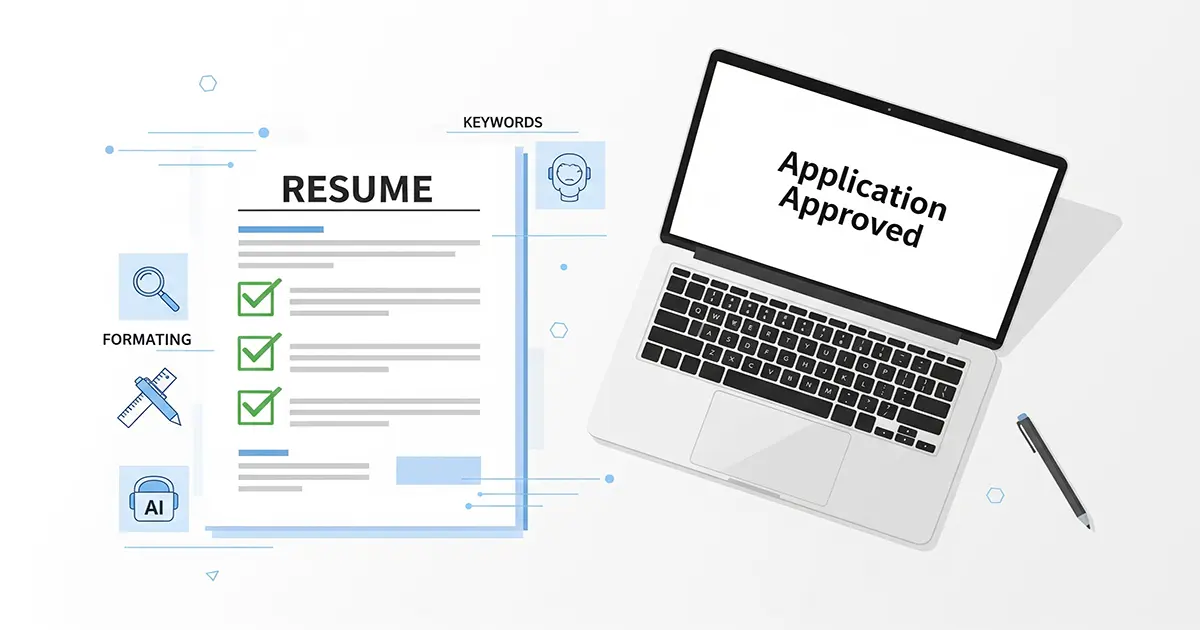
When tailoring your resume for a career change, avoid a purely chronological format that emphasizes unrelated past roles. Instead, opt for a combination or functional resume format that highlights your transferable skills and achievements relevant to your target industry. Focus on quantifiable results and use keywords from job descriptions. Remember, most recruiters spend only seconds on a first pass of a resume, according to Jobscan, so make every word count.
✅ Best Practice: Tailor, Don't Tweak
Your cover letter is your opportunity to directly address your career pivot. Explain your motivation for the change, how your past experiences and newly acquired skills make you a strong candidate, and why you are genuinely interested in this specific role and company. Be enthusiastic and confident in your choice. For personalized assistance, consider using Placed's cover letter builder.
Optimizing your LinkedIn profile is equally important. Update your headline and summary to reflect your new career aspirations, not just your current role. Highlight relevant skills, complete new certifications, and engage with content from your target industry. This helps recruiters and hiring managers in your desired field find you and understand your career direction. You can also use Placed's AI Resume Review to ensure your resume is ATS-optimized for your new career path.
📊 Jobscan reports that most recruiters spend only seconds on a first pass of a resume, emphasizing the need for clear, concise, and targeted application materials, especially for career changers.
Networking and Interviewing: Building Connections and Landing the Job
Networking is paramount for career changers, opening doors that job boards might not. When you secure an interview, your ability to articulate your career change confidently and demonstrate your enthusiasm for the new field is key. It's about building relationships and effectively communicating your value proposition.
Effective networking in a new industry involves more than just attending events. Start by identifying key people in your target field through LinkedIn, alumni networks, or professional organizations. Request informational interviews, offer to assist with projects, or participate in online forums. These genuine connections can lead to mentorship opportunities, job leads, and referrals.
📋 Checklist: Preparing for Career Change Interviews
- Research the company and role thoroughly, understanding their specific needs.
- Prepare clear, concise answers for questions like "Why the career change?" and "What makes you qualified?"
- Practice articulating your transferable skills with specific examples.
- Showcase genuine enthusiasm and commitment to the new field.
- Have compelling questions ready to ask the interviewer.
- Send a personalized thank-you note, reiterating your interest and fit.
When preparing for interviews, anticipate questions about your career transition. Be ready to explain your 'why' with conviction, focusing on how your previous experiences have prepared you for this new challenge. Highlight your proactive steps in acquiring new skills and your dedication to the new path. Showcasing enthusiasm and commitment can often outweigh a perceived lack of direct experience.
Follow up effectively after networking events and interviews. A thoughtful follow-up reinforces your interest and professionalism. Leveraging your network for referrals can also significantly boost your chances, as employers often prefer candidates who come recommended by trusted sources.
Navigating the Transition: Financial Planning and Mental Resilience
A career change often involves financial adjustments and emotional challenges. Planning for potential income fluctuations and cultivating mental resilience are crucial for navigating this period successfully. It's about preparing for the practicalities and protecting your well-being throughout the journey.
Financial planning is a critical component of a smooth career transition. This might involve building up a savings cushion, creating a detailed budget, or exploring temporary income streams while you upskill or search for a new role. Understanding the potential for a temporary pay cut or a period of reduced income can help manage expectations and reduce stress during the job search.
⚠️ Warning: Managing Expectations
A career change is rarely linear. You will likely face setbacks, rejections, and moments of doubt. Cultivating mental resilience is vital. Build a strong support system of friends, family, or mentors who understand your journey. Celebrate small wins, like completing a new course or having a successful informational interview. Remember that imposter syndrome is common in new fields, and persistence is key.
Pros and Cons of Career Change:
| Pros | Cons |
|---|---|
| Increased job satisfaction and fulfillment. | Potential for temporary pay cut or financial instability. |
| New learning opportunities and skill development. | Requires significant time and effort for research and upskilling. |
| Better work-life balance or alignment with values. | Risk of imposter syndrome or starting over. |
| Expanded professional network. | Initial rejections can be demotivating. |
| Long-term career growth and stability. | Need for extensive resume and LinkedIn optimization. |
🎯 Key Takeaways for a Successful Career Path Change
Successfully changing career paths requires introspection, strategic planning, skill development, and effective self-marketing. By understanding your motivations, researching new opportunities, leveraging transferable skills, and building a strong network, you can confidently navigate your transition and build a fulfilling new professional chapter.
- Self-Reflect Deeply: Understand your 'why' and what you truly seek in a new career before taking action.
- Research Extensively: Explore diverse career paths through market analysis and informational interviews.
- Skill Bridging: Identify, articulate, and develop transferable skills relevant to your new target roles.
- Reframe Your Narrative: Tailor all application materials to reflect your new career aspirations, not just your past.
- Network Actively: Build genuine connections and leverage them for insights and opportunities.
- Prepare for the Journey: Plan financially and cultivate mental resilience to overcome challenges.
Frequently Asked Questions
How do I change career paths without a degree?
You can change career paths without a new degree by focusing on transferable skills, gaining certifications, taking online courses, and building a portfolio of relevant work. Networking and demonstrating practical experience through volunteer work or side projects are also crucial for showcasing your capabilities to employers who value skills over traditional credentials.
How do I change career paths after 10 years in one industry?
After 10 years, you possess a wealth of transferable skills like project management, leadership, and problem-solving. Focus on identifying these, then research how they apply to your desired new field. Seek out informational interviews and consider targeted upskilling. Your extensive professional experience can be a significant asset when reframed correctly.
How do I figure out what new career path is right for me?
Start with deep self-assessment, identifying your values, interests, strengths, and non-negotiables. Conduct thorough industry research and, most importantly, engage in informational interviews with people in roles that pique your interest. This combination of introspection and external exploration will help you discover a fitting new direction.
How do I get hired in a new field without direct experience?
Highlight your transferable skills and demonstrate your passion and commitment through acquired knowledge (courses, certifications) and practical projects. Tailor your resume and cover letter to emphasize your potential and align your past achievements with the new role's requirements. Networking and informational interviews are also vital for uncovering opportunities and making connections.
How can I explain my career change to potential employers?
Frame your career change as a positive, intentional decision driven by growth, values, or a desire for new challenges. Focus on the skills you've gained and how they will benefit the new role. Show enthusiasm and confidence, explaining how your past experience, even if different, provides a unique perspective and valuable assets to the new industry.
What if I'm afraid of making the wrong decision or failing?
Fear is a natural part of career change. Mitigate this by conducting thorough research and testing your assumptions through small projects or informational interviews before making big commitments. Remember that every experience is a learning opportunity. Focus on strategic planning and building a support system to navigate uncertainties and build resilience.
Embarking on a new career path is a significant undertaking, but with careful planning and strategic execution, it's an achievable and rewarding goal. If you're ready to take the next step in your career transition, consider exploring Placed's career coach services to gain personalized guidance and support throughout your journey.